[Onyado Nono Matsumoto] Azumino mountain views × Matsumoto Castle-inspired windows × Shinshu Alps beef hot pot — full review of Azumi-no-Yu
Multilingual
Hi everyone, Greippi here. This is the 11th installment in my mission to conquer every “Onyado Nono” — the Japanese-style premium brand from Dormy Inn. Today’s destination: “Natural Hot Spring Azumi-no-Yu Onyado Nono Matsumoto,” at the gateway to the Northern Japan Alps and Azumino in Nagano Prefecture’s Matsumoto city.
[Correction & Apology] I had the opening order wrong by one property
Before we get into it — a small apology. I’ve been touring these properties in the order I had an AI list them by opening date. It just turned out that Matsue and Matsumoto both opened in April 2022, but Matsumoto (April 14) actually opened 12 days earlier than Matsue (April 26). So the correct order should have been “Matsumoto → Matsue,” and I did them backwards. My sincere apologies for the mix-up. (To whom, exactly?) Anyway. After Sakaiminato, Toyama, Namba, Nara, Asakusa, Kyoto Shichijo, Kanazawa, Osaka Yodoyabashi, Sendai, and Matsue, this makes 11. Just 4 of the 15 nationwide Onyado Nono properties remain — the endgame is here. After the last stop (Matsue) claimed “provisional No.1,” where does Matsumoto land? I stayed there — here’s the honest report.
Property: Natural Hot Spring Azumi-no-Yu Onyado Nono Matsumoto
Stay date: July 14–15, 2026
Access: 5-min walk from JR Matsumoto Station.
Rate: ~¥13,950 (single occupancy / 1 night).
Surroundings: Plenty of other hotels nearby; the entertainment district is a short walk. Convenience stores: Lawson in one direction, 7-Eleven in another — both 3 minutes on foot.
The location is 5 minutes from JR Matsumoto Station — top-tier in this pilgrimage, on par with Namba and Sendai. That said, the day I visited felt like the rainy season had already lifted, with the temperature at 35°C (95°F) under blazing sun, which made those 5 minutes suddenly not-so-easy. Summer in Matsumoto — don’t let your guard down. The rate came in at ¥13,950, the same as Sendai. Middle-tier at 5th–6th in the series, with cost-performance solidly in the “neither great nor bad” zone.
Room & Japanese-Style Experience
The building has a wide frontage but not much depth — the exact inverse of Sendai’s tall-and-narrow shape. If Sendai was “tall and slim,” Matsumoto is “wide and flat.” Despite the overall size, the lobby felt a bit tight — a peculiar sensation.
Tatami first impression: Green-toned, but with a few stubborn stains scattered around. Not so much wear as trace-of-use.
Room type: Double room, sufficient size.
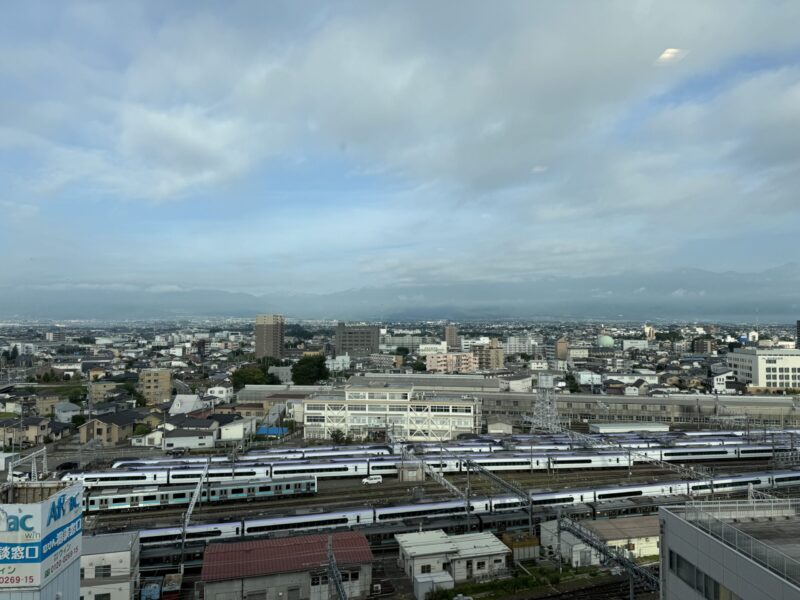
View: If you pay extra at booking, you can guarantee a higher-floor room with a good view. On the standard plan, I got the 7th floor — a modest view opposite the station side. About 30% of what I could see was a Super Hotel signboard. Yes, really.
Bed comfort:Serta-brand mattresses as usual. So this is what “Dormy quality” has actually been made of.
Samue (traditional Japanese-style loungewear):The now-standard half-yukata style. From Kyoto Shichijo → Osaka Yodoyabashi → Sendai → Matsue → Matsumoto, that’s 5 properties running. Basically the new default.
Welcome service:Moist pineapple financier. Third in a row after Sendai and Matsue. The financier direction is now firmly established.
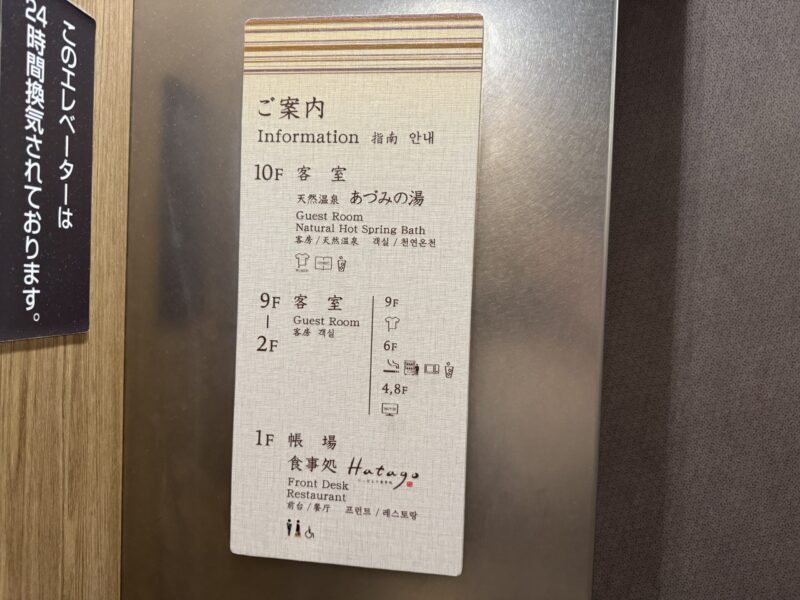
The room fittings are essentially the same across properties — nothing dramatic to report. That said, for a building of this size, only 2 elevators means noticeable waits during busy hours. Wi-Fi worked normally.
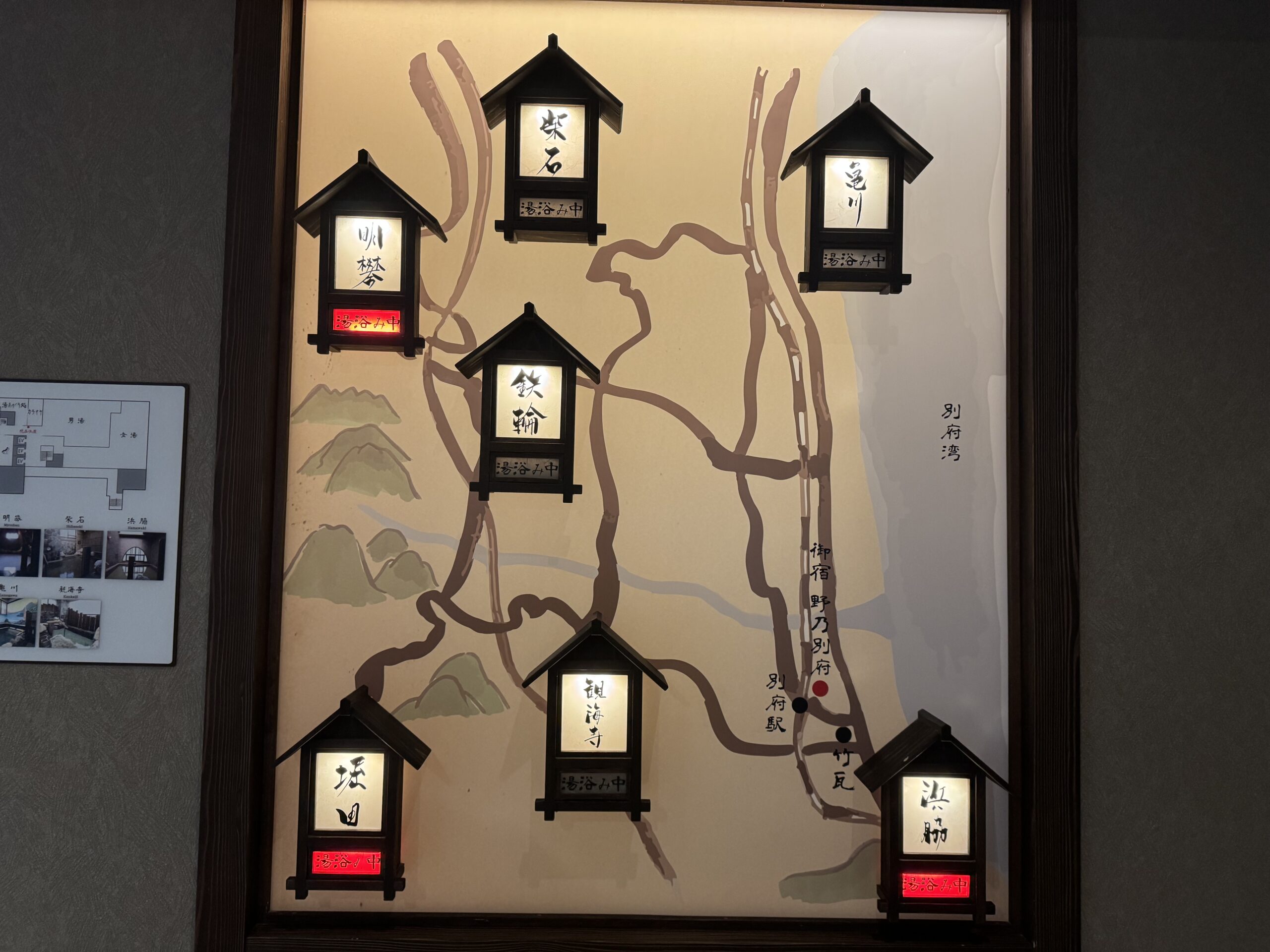
Bath & Sauna (Azumi-no-Yu Natural Hot Spring)
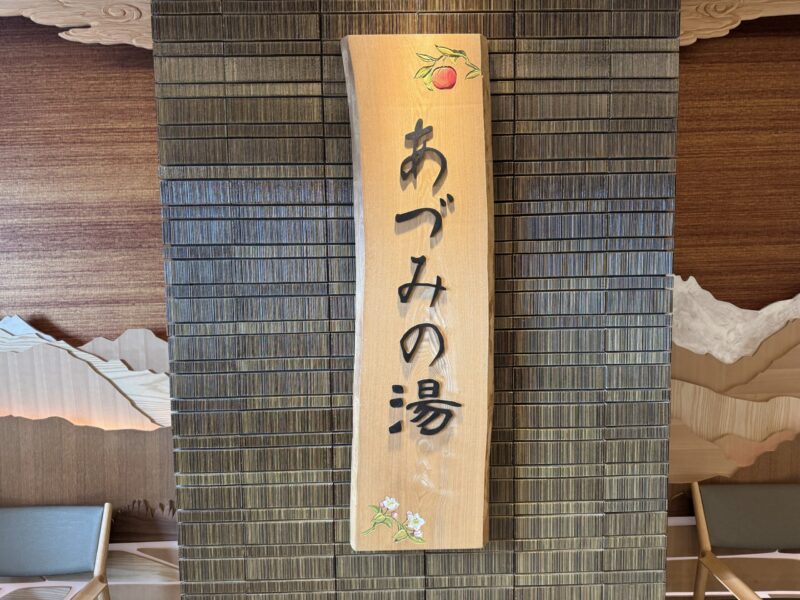
The top-floor bath house, Azumi-no-Yu Natural Hot Spring. Its biggest weapon: the outdoor bath with a view of the Azumino mountains, across the train tracks.
Bath name: Azumi-no-Yu Natural Hot Spring
Water: Clear and colorless, fairly standard. The Azumino mountain view is the real star.
Sauna temp: 92°C (198°F). Slightly dry feel, with self-löyly available (the second property to offer it, after Matsue).
Sauna room size:Long-sideways layout, 2 tiers, capacity around 14 if pushed.
Löyly rules: An hourglass timer allows one round every 5 minutes, up to 2 ladles (Matsue was one per 20 minutes, so a major relaxation!). The green button dispenses aroma water, same mechanism as Matsue.
Cold bath:17°C / 63°F, generously deep, seats about 3. No gimmicks like Matsue’s waterfall or rain shower — a simple design, but the water feel is genuinely good.
Rest space: 2 indoor chairs / 3 outdoor chairs. Modest airflow (though this may have just been a windless day).
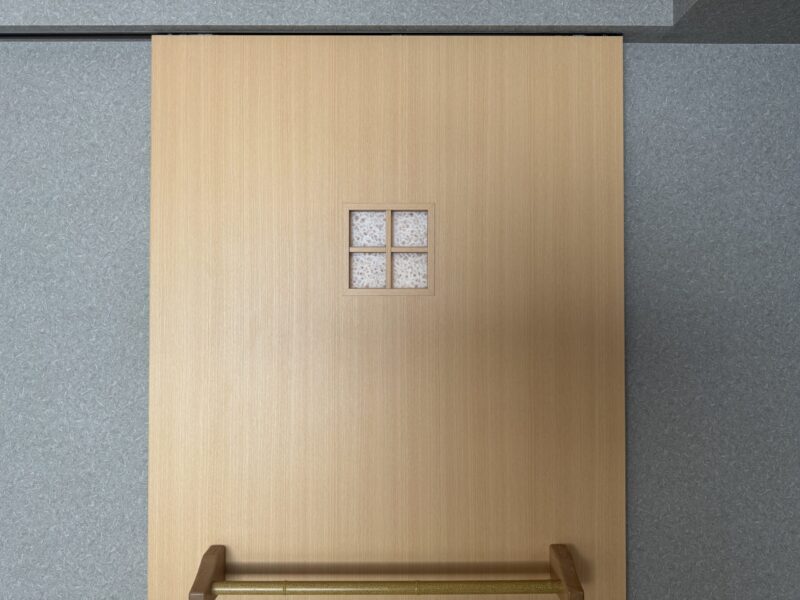
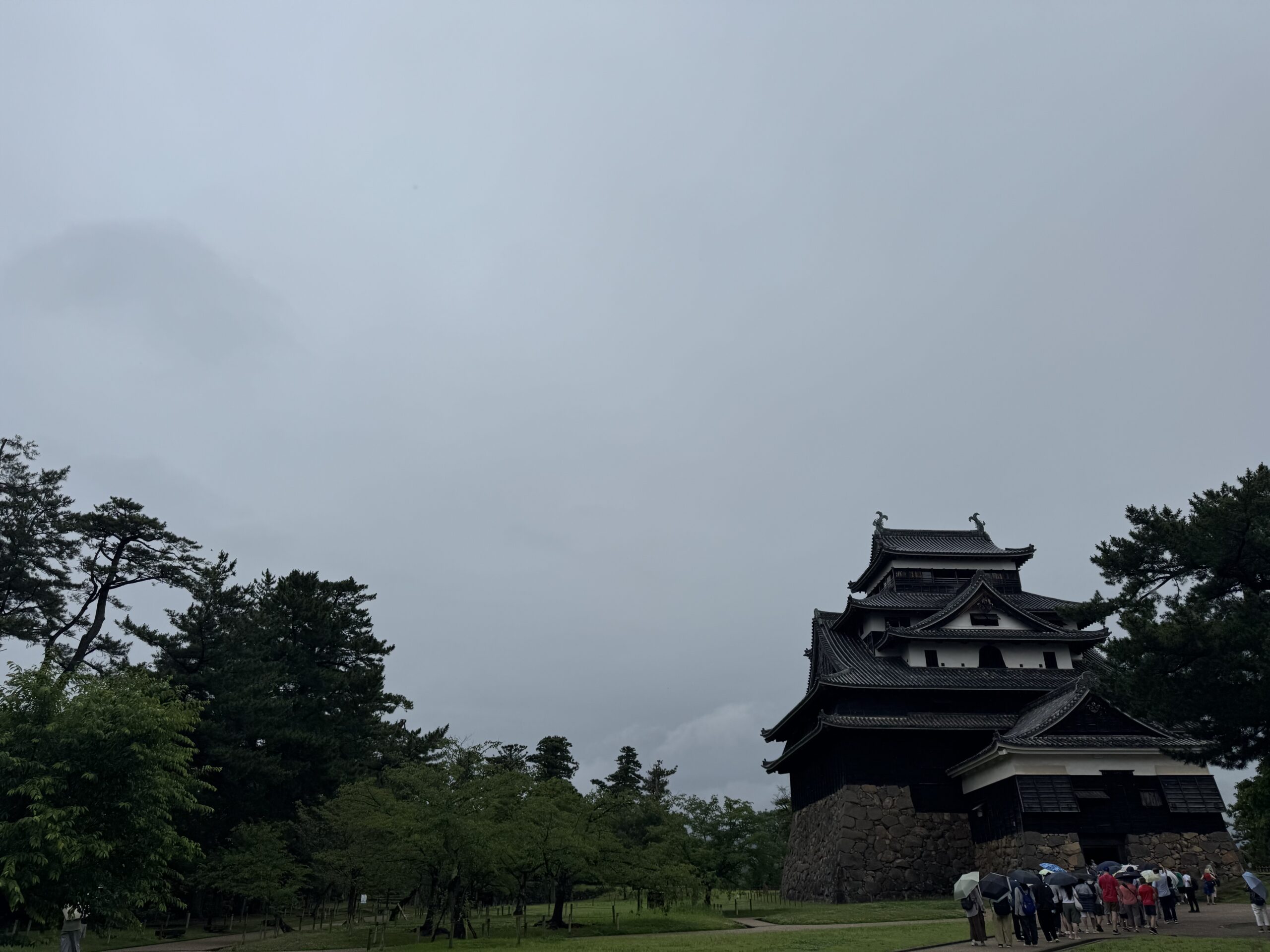
Playful design touch: Windows are named “teppo-zama” (musket loopholes, a Matsumoto Castle architectural feature), part of a Matsumoto Castle motif woven throughout.
BGM: The usual Tokusashi Kengo music.
TV: Detective drama in the evening; the morning happened to be the World Cup semi-final.
Tattoo policy: Generally not allowed.
An outdoor rest with a view of the Azumino mountains
This is Matsumoto Nono’s main draw. The Azumino mountain range spread out across the train tracks, as you cool down in the outdoor air. It stands right alongside Kanazawa (rooftop) and Matsue (Matsue Castle) as a top-tier “special view” outdoor rest. National Treasure (Matsue Castle), rooftop (Kanazawa), and now Northern Alps (Matsumoto) — each property offering its own unique framing is one of the joys of this pilgrimage.
Self-löyly #2, with much-relaxed rules
The sauna is the second Onyado Nono to offer self-löyly. Where Matsue capped it at one round every 20 minutes, up to 2 ladles, Matsumoto expands that to one round every 5 minutes, up to 2 ladles — a major relaxation. That said, the feel remains slightly on the dry side, and not many people actually use the löyly — a shame given the setup. The green-button aroma-water mechanism continues from Matsue. The size is a long, sideways 2-tier bench for about 14 — much roomier than Matsue’s or Sendai’s. It doesn’t touch Kanazawa’s 20+ capacity, but the “wide and low” layout Matsumoto goes for creates a genuinely comfortable sense of space.
The cold bath and layout — honest take
The cold bath is 17°C, deep, and simple in design. Coming straight from Matsue’s showy gimmicks (waterfall & rain shower), it inevitably looks a bit plain, but the water quality is solidly good, and it does its core job just fine. What did stand out: the wide, low layout makes moving around slightly awkward. The line from locker → sauna → cold bath → outdoor rest is longer than usual — probably an unavoidable consequence of the building’s shape. And the window called “teppo-zama”, along with other Matsumoto Castle motifs woven throughout, is a delightful touch. The commitment to detail is a real plus.
Free Services (Omotenashi)
The Dormy Inn group’s signature free-service report.
Post-bath ice cream (evening): The usual 4 varieties.
Post-bath probiotic drink (morning):Pilkul. After Matsue’s “no-brand-label mystery,” it’s reassuring to see the name badge back.
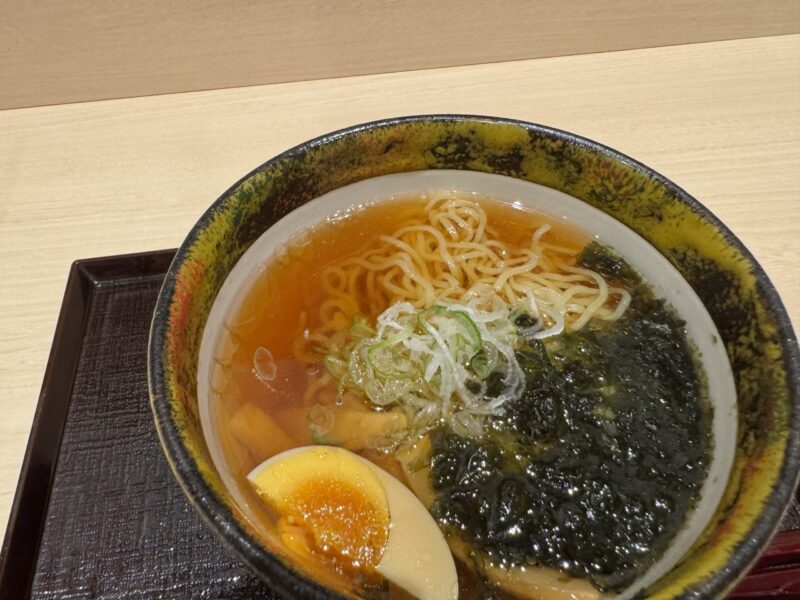
Yonaki soba (free late-night ramen, a Dormy Inn signature): Eaten around 21:45, no wait. After the izakaya crawl I was already stuffed. But you still eat it. Because it’s there.
The Epic Breakfast Buffet
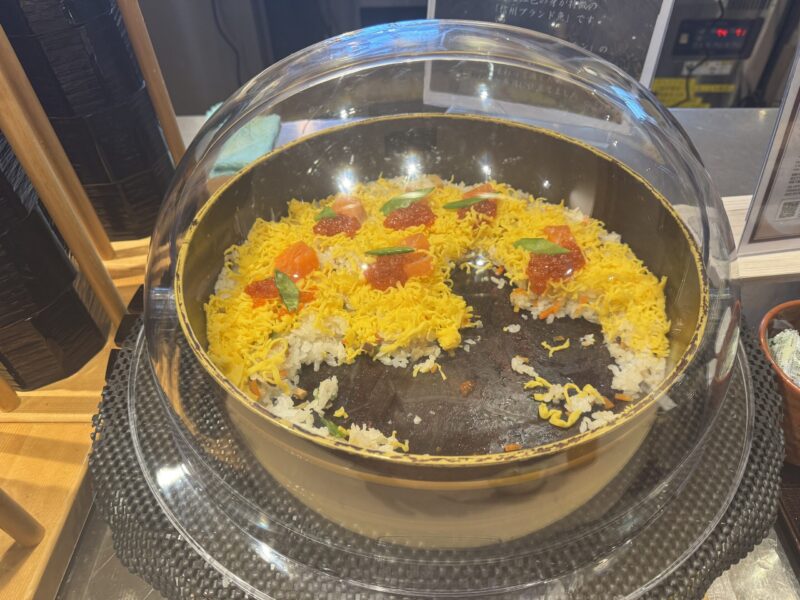
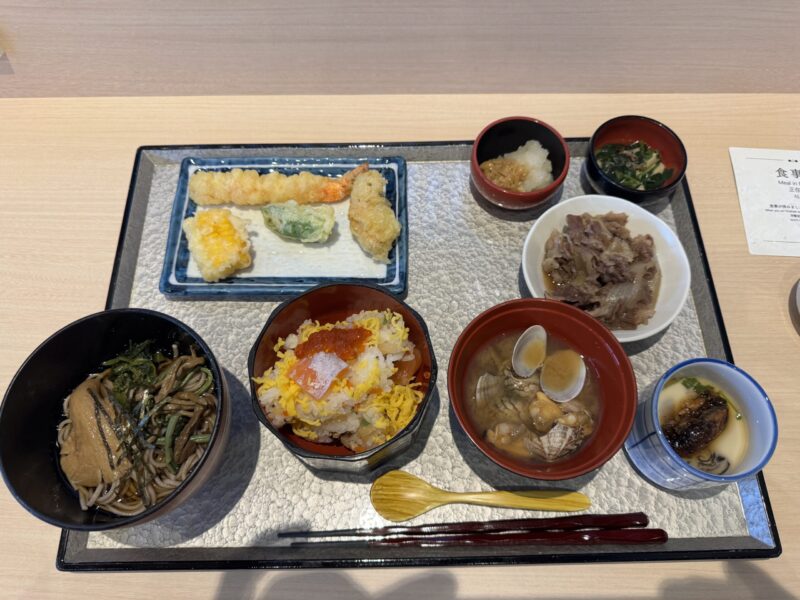
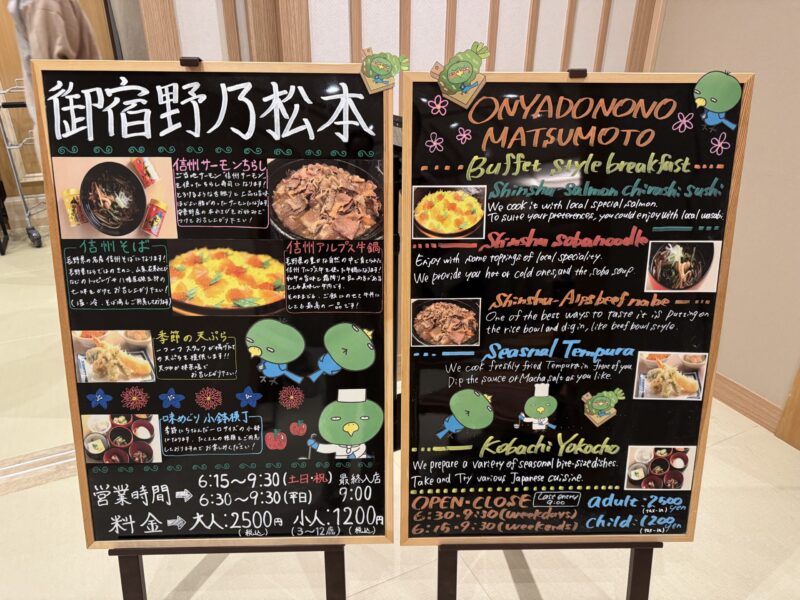
Local “signature dishes”:Shinshu soba (finished on the spot, hot or cold selectable), Shinshu salmon chirashi bowl.
Seafood lineup:A series first — no make-your-own seafood bowl.
Local side dishes:Shinshu Alps beef-nabe (this stay’s MVP!), nozawana (pickled leafy greens).
Desserts & misc:Apple juice.
Multilingual support: Three-language menu.
The morning’s shock: a series-first “no make-your-own seafood bowl”. Matsumoto is inland (no coast), so this makes sense — but as someone who’s been complaining “the seafood bowl offers no property-specific character,” discovering I actually miss it when it’s gone was a humbling moment. Humans are contrary creatures. On the other hand, Shinshu soba is finished on the spot on request, hot or cold. Matsue’s pre-made warigo soba had noticeable dryness; here it’s flawless. Same soba country, opposite delivery — interesting contrast. The other signature, Shinshu salmon chirashi, is good, but I couldn’t help wishing for a bit more salmon on the plate. And this round’s MVP: the “Shinshu Alps beef-nabe”. Deeply savory from the first bite in the morning, and would be perfection over rice as a gyudon. Beyond that, the local slots are just nozawana and apple juice — the overall selection is on the modest side, and the regional character is quieter than expected. Room to grow here.
[Bonus] Matsumoto Izakaya Report
The nightlife district is a bit off, but a short walk gets you to plenty of options. Two spots this round.
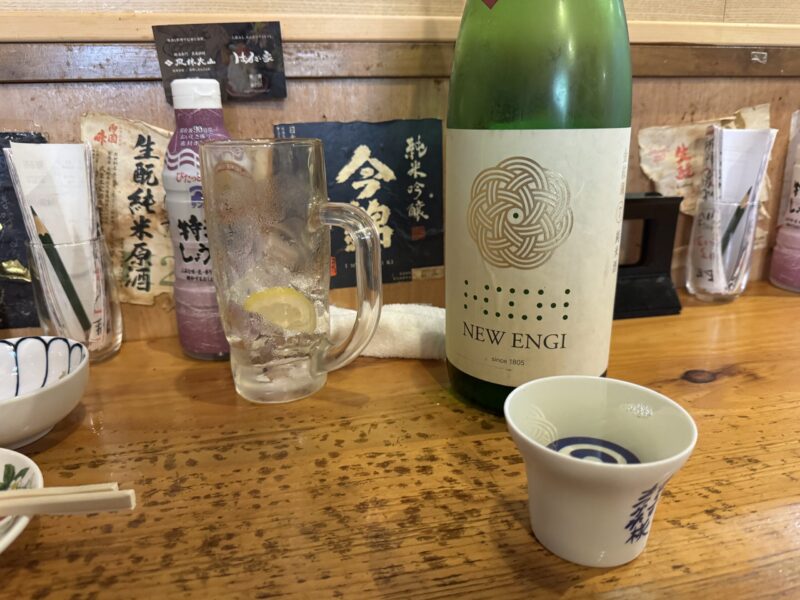
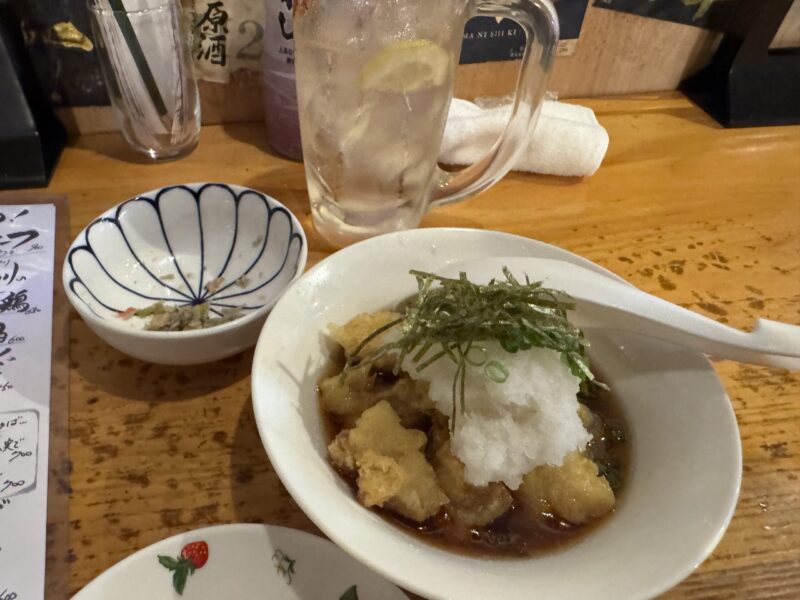
Furin-Kazan: Right by JR Matsumoto Station, a locally famous heavyweight. Locals and tourists split about 50/50. Wide sake selection. I ordered the recommended horu-ten (offal tempura), grilled nameko mushrooms, and Shinshu omelet. All reliably good. Portions are on the larger side, so solo diners can’t sample as many things as they might like. Drinks: draft beer, highball, and two kinds of sake — total ¥5,720. Quirky ordering system: drinks are called out verbally, but food orders have to be written on paper and handed over — surprisingly annoying in practice. Various cashless payments accepted. Reservations aren’t taken, so if you want to be sure of a seat, aim for right when they open.
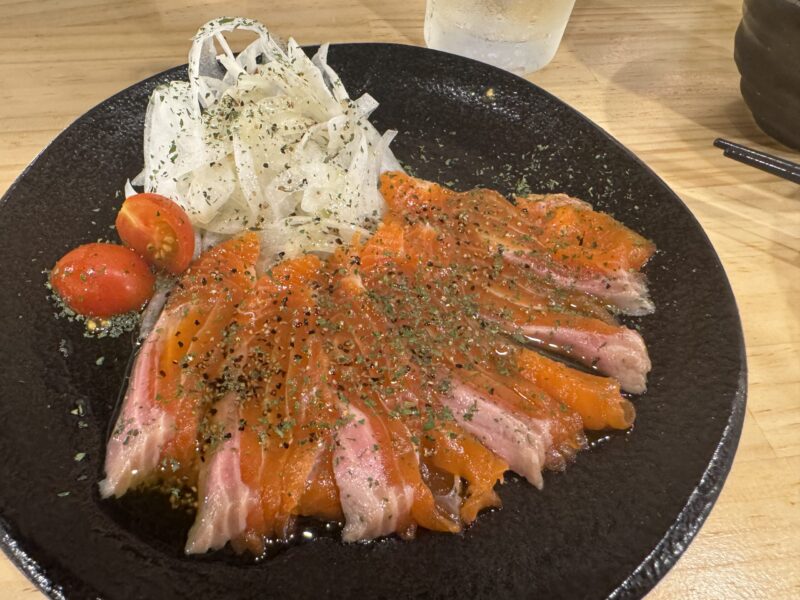
Shinshu Alps Shokudo: 4 minutes from the hotel. Wandered in when I spotted a bustling atmosphere. Almost full with what looked like locals. Wide drink and sake selection, with a stated commitment to Shinshu-local ingredients. Ordered the classics: Shinshu salmon carpaccio and sanzokuyaki (half portion, a Shinshu-style fried chicken specialty). Both delicious. Especially the Shinshu salmon — tender, with real flavor depth. Also tried nozawana tempura for the first time — surprisingly good. Drinks: “Mars Highball” (made with Shinshu’s Mars whisky) and local sake “Daisekkei”. Staff are sharp and friendly, and the counter seating makes it great for solo drinking. Total ¥3,540, cashless-friendly. A bit noisy inside, but if you’re OK with that vibe, highly recommended.
Two spots, ¥9,260 total. Matsumoto’s rich local-sake culture makes for a genuinely enjoyable evening scene.
*Sakaiminato’s rate includes the dinner buffet plan, not a room-only rate — keep that in mind when comparing value. “Onyado Nono Matsumoto” in one line: Outdoor rest with a view of the Azumino mountains, and Matsumoto Castle-inspired design touches. A savory Shinshu Alps beef-nabe — the Nono that opens the door to mountain-country Nagano. The biggest draw is the outdoor rest overlooking the Azumino mountains, across the train tracks. Alongside Kanazawa (rooftop) and Matsue (Matsue Castle), it earns its place in the “special view” club — the majesty of the Northern Alps genuinely boosts the “totonoi” state. Self-löyly continues for a second property in a row (relaxed to one round per 5 minutes), a wide sauna room seating 14, and playful Matsumoto Castle motifs like the “teppo-zama” windows — the detail work is a plus. On the breakfast side, on-the-spot-finished Shinshu soba and the MVP Shinshu Alps beef-nabe shine. That said, the series-first “no seafood bowl” morning triggered an unexpected revelation — apparently I do miss what I’ve been complaining about. Regional character isn’t as strong as Matsue, so there’s some real “wanting more” here. Notable downsides: the wide-and-shallow bath house layout that makes moving around a bit awkward, the 2-elevator wait time, and the 30% of my room view occupied by a Super Hotel signboard (this last one deserves a laugh). Does it top Matsue’s “provisional No.1”? Honestly, no. But Matsumoto has its own distinctive draws — the Azumino mountain view, rich local sake culture, and Shinshu-ingredient depth, which put it in the “worth judging by its own character rather than ranking” category.
I highly recommend booking in advance. Check the latest prices and availability for Onyado Nono Matumoto on Hotels.com below!

コメント