[Onyado Nono Nara] 1 Minute from JR Nara Station, the Cheapest in the Series at ¥10,350! Sauna & Ancient-Capital Breakfast Buffet Full Review
MultilingualScreenshot
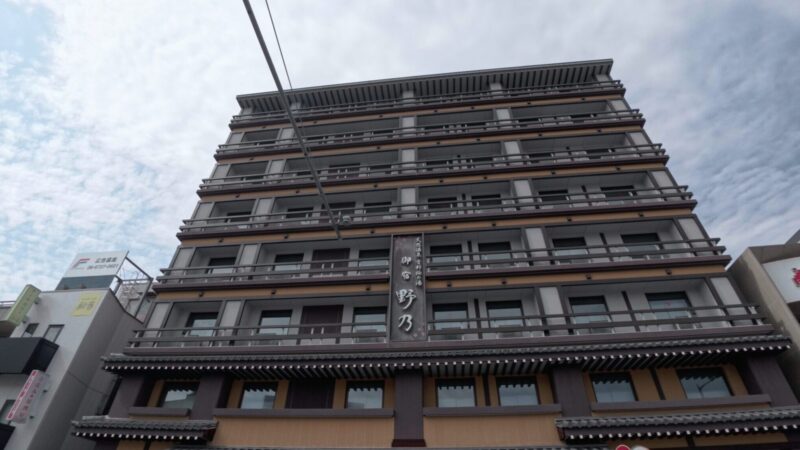
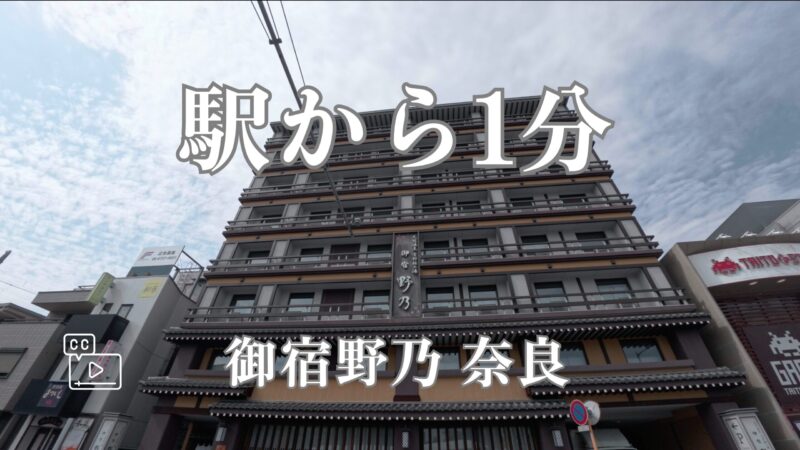
Hi everyone, Greippi here. Welcome back to my mission of staying at every single “Onyado Nono” — Dormy Inn’s Japanese-style premium hotel brand. Episode 4 brings us to the ancient capital of Nara, at “Natural Hot Spring Yoshino-zakura no Yu, Onyado Nono Nara.” After Sakaiminato, Toyama, and Namba, this time the journey heads to one of Japan’s most historic cities. Last time in Namba I drank a little too much and missed the night sauna — a painful failure. Determined to get my revenge, I boarded a Kintetsu train to Nara. The hotel sits literally one minute on foot from JR Nara Station. Checking in on the very first day of Japan’s Golden Week holidays, I was curious how an ancient-capital Onyado Nono would compare. Here’s the honest report.
Hotel name: Natural Hot Spring Yoshino-zakura no Yu, Onyado Nono Nara
Stay date: April 28–29, 2026 (first day of Golden Week)
Access: 1 min walk from JR Nara Station — right in front of the gate.
Rate: ¥10,350 (1 adult / 1 night)
Surroundings: Plenty of restaurants. There’s even a supermarket inside JR Nara Station — perfect for grabbing supplies.
A small heads-up for travelers: the main sightseeing spots — Todai-ji Temple, Nara Park, and Kofuku-ji Temple — are actually closer to Kintetsu Nara Station, about 1 km from JR Nara Station. That’s a 20-minute walk, or a quick bus ride. Buses run frequently, so the smart move is to use both stations strategically. And the headline number: the price. ¥10,350 is less than half of Namba (¥22,500), and the cheapest in the entire Onyado Nono lineup so far. The fact that this rate held even for Day 1 of Golden Week feels like a glitch in the matrix.
Interior & Room (Japanese-Style Experience)
The signature feature of every Onyado Nono is tatami flooring throughout, and the Nara location is no exception.
First impression of the tatami: Clean. The grassy igusa scent is subtle — almost no smell at all.
Room type: Single room (Room 606). I lucked into a corner room.
Bed comfort: Solid as always. The only quirk: just one pillow instead of the usual two — possibly because it’s a single.
Loungewear (samue): The standard traditional Japanese-style loungewear. Slipping into it instantly switches your brain into “vacation mode.”
Welcome service: Yayoihime strawberry jelly and water. Same as Toyama. Surprisingly strawberry-forward — really good.
Being a corner room with windows on two sides meant plenty of morning light. Unlike Namba, where the wallpaper looked a bit worn out, this room felt fresh and well-maintained. But there’s a price for that prime location: the train tracks run right next to the building, so the rumbling is noticeable, especially late night and early morning. Light sleepers might want to request a room facing away from the tracks. In Namba I was woken at 2 a.m. by night construction; in Nara, I got woken by a train. New entry in my “ways Onyado Nono has woken me up” log (laughs).
Check out my YouTube video here!
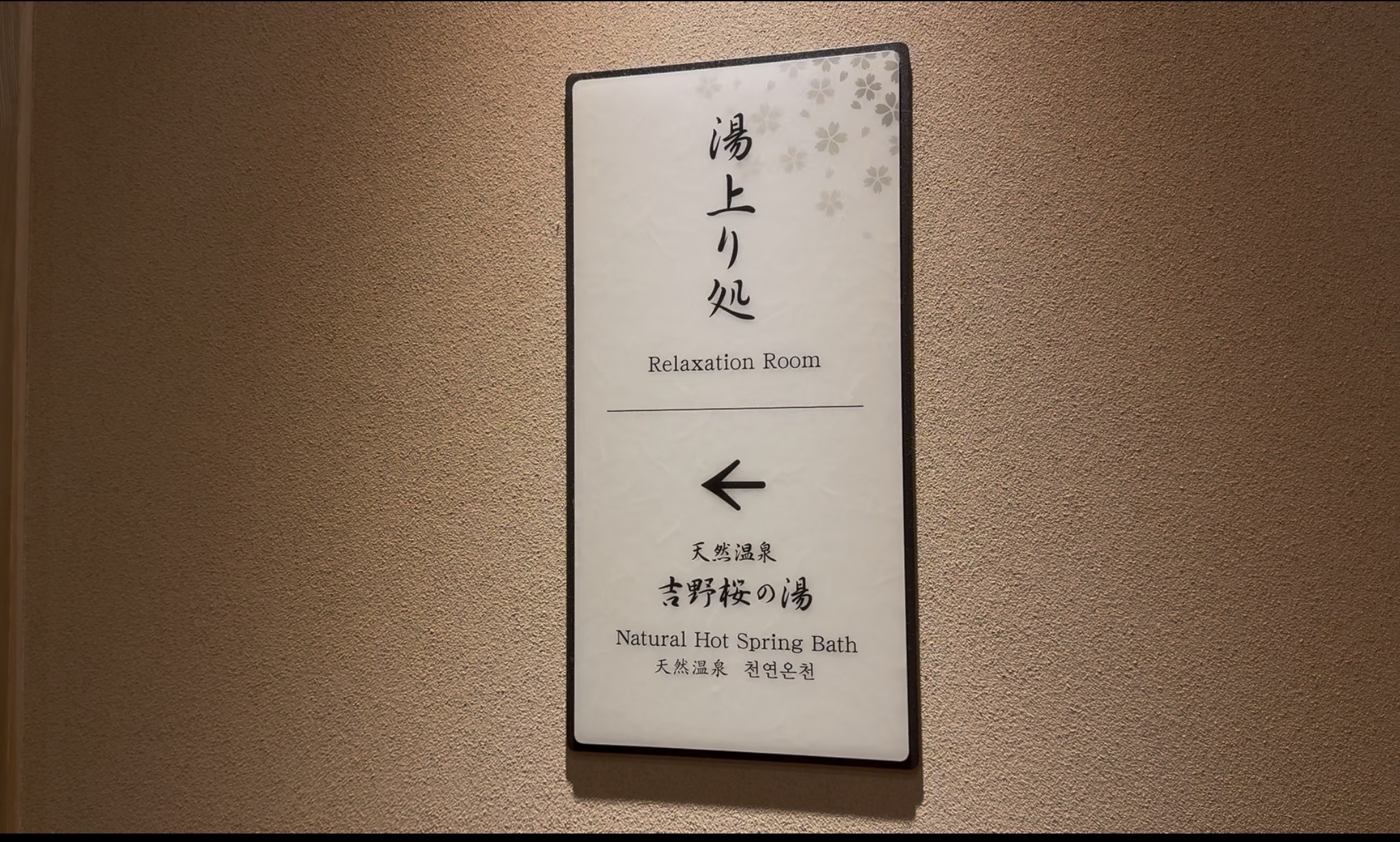
Public Bath & Sauna (Yoshino-zakura no Yu)
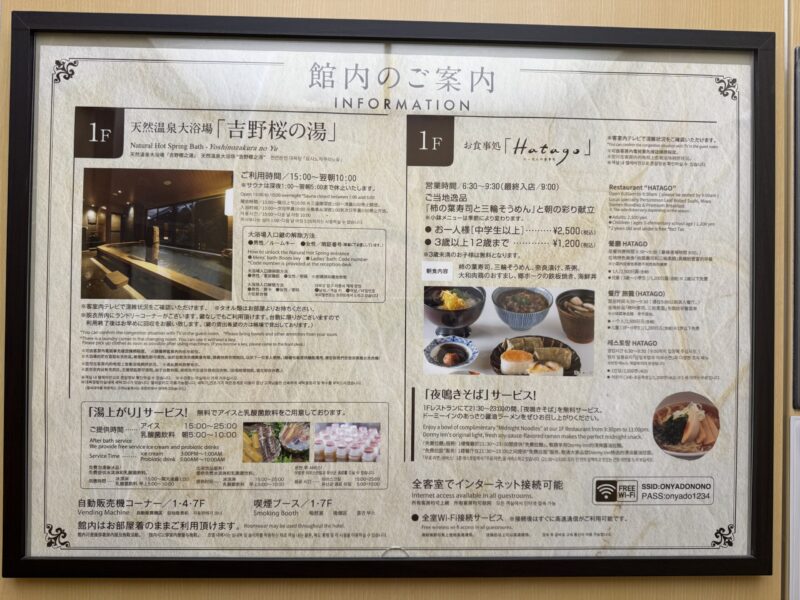
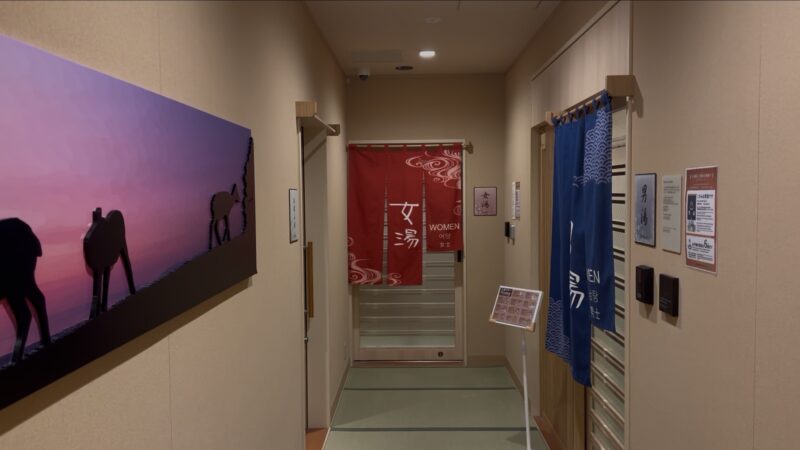
Here’s the sauna spec sheet for this stay.
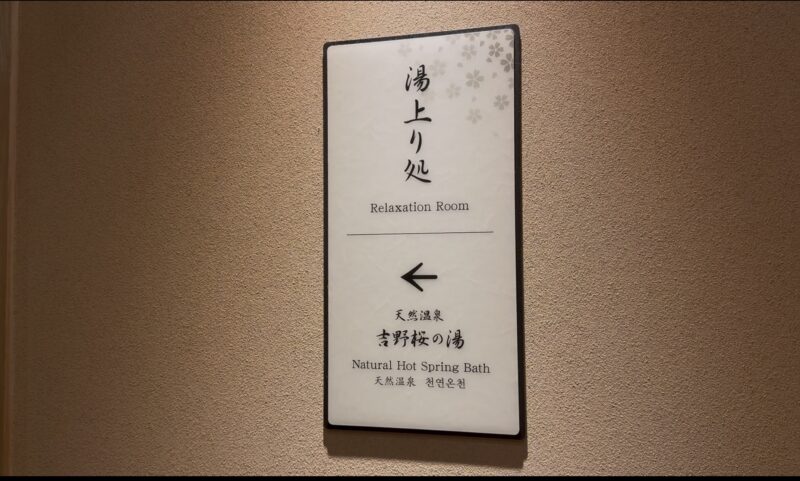
Bath name: Natural Hot Spring Yoshino-zakura no Yu
Hot spring: Colorless, transparent. Includes an open-air section. On the ground floor, but with a decent sense of openness.
Sauna temperature: 91°C (196°F). On the milder side for the series. Aroma is the signature “Energy Bouquet.”
Cold plunge: 17°C (63°F). A small 1–2 person tub with a true overflow design.
Cool-down area: No indoor chairs. 3 outdoor chairs in the open-air section.
BGM: Healing music. TV plays NHK. Calm, relaxed atmosphere.
Tattoo policy: Generally not allowed. Tattooed travelers, please be aware.
Compared to the rest of the Onyado Nono lineup, the 91°C sauna is the mildest setting in the series (Sakaiminato and Namba are 94°C, Toyama is 98°C). The classic dry, crisp sauna feel was a notch softer here — though I went very early morning (5 a.m.), so that may be part of it. The real highlight of this hotel, though, is the cold plunge. 17°C sounds mild compared to Namba’s 13°C or Toyama’s 14°C, but the overflow design keeps fresh water constantly cycling through, and the texture against your skin is genuinely amazing. The tub is small (1–2 people max), but with new water flowing in continuously, it feels exceptionally clean. Honestly, it made me think: “Maybe this is the ideal cold plunge temperature for a hotel sauna.” The cool-down area has 3 outdoor chairs. Being on the ground floor means no skyline view (unlike Toyama or Sakaiminato on the top floor), but also no closed-in feeling like Namba — a nice middle ground. None of the chairs were ever fully taken when I went, so I could relax at my own pace. One surprise: even at 5 a.m., the sauna was packed. Golden Week effect, I guess. Apparently great minds wake up early.
Free Services (Hospitality)
The free amenities are a big part of the Dormy Inn experience. Here’s how Nara handled them.
Post-bath ice cream (evening): Unconfirmed (see incident below).
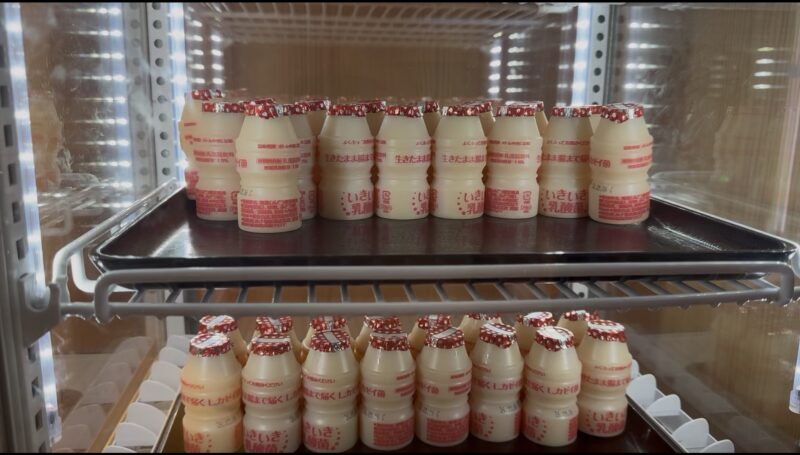
Post-bath probiotic drink (morning):NOT Pilcru — a different brand of probiotic milk drink. Subtle but distinct.
Yonaki soba (free late-night ramen, a Dormy Inn signature):Tragically missed.
Now I have to confess The Incident. After the disaster in Namba — drinking too much and missing the night sauna — I came back to the hotel early this time, fully determined. “I’ll lie down for a bit, then time my sauna run with the yonaki soba service. Perfect plan.” I lay down on the bed. …When I opened my eyes, it was morning. Two consecutive nights of missing yonaki soba — a colossal failure for any self-respecting Dorminist. Not only no yonaki soba, but no night sauna and no bath. Pre-checkout I left without ever using the facilities the previous evening. The post-bath ice cream remains unconfirmed. At least I ate the welcome strawberry jelly… Side note: the morning probiotic drink in Nara was not Pilcru — the brand most other Onyado Nonos use — but a different probiotic milk drink. These tiny differences between locations are one of the small joys of the Onyado Nono pilgrimage.
The Legendary Breakfast Buffet
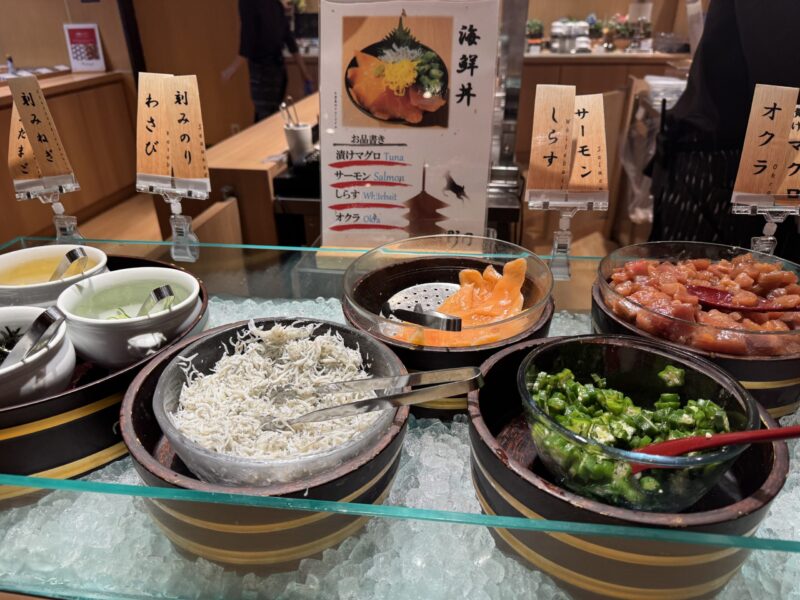
Having missed yonaki soba, I went all-in on breakfast. Here’s the Nara lineup.
Local “signature dishes”: The ancient-capital four — kakinoha-zushi (sushi wrapped in persimmon leaves), cha-gayu (tea-infused rice porridge), Miwa somen (thin wheat noodles), and Nara-zuke (vegetables pickled in sake lees).
Multilingual support: English, Korean, and Chinese labeling throughout.
The buffet opens at 6:30 a.m. and was absolutely packed from minute one — Golden Week’s full power on display. Namba was nearly full at 7:30 a.m., but Nara had warriors lining up from the open. Photographing the food was nearly impossible. Honest take on the local specialties: kakinoha-zushi and cha-gayu… didn’t quite live up to my hype. (Nara-zuke isn’t really my thing in general, so I’ll let that one pass without judgment.) On the other hand, Miwa somen was outstanding — silky, smooth, and impossible to stop eating, even at breakfast. The Nara pork and beef stew sides were sneakily great. Beef stew at breakfast — those who know, know. The seafood lineup, of course, can’t really compete with Sakaiminato (free-flow ikura, crab, sakura shrimp) or Toyama (firefly squid, white shrimp). But expecting top-tier seafood in landlocked Nara is its own kind of mistake, so no complaints from me.
[Bonus] Nara Hashigo-zake (Bar Hopping) Report
Per my revenge mission, I planned to call it an early night this time, so only two stops. But the Nara evening still delivered.
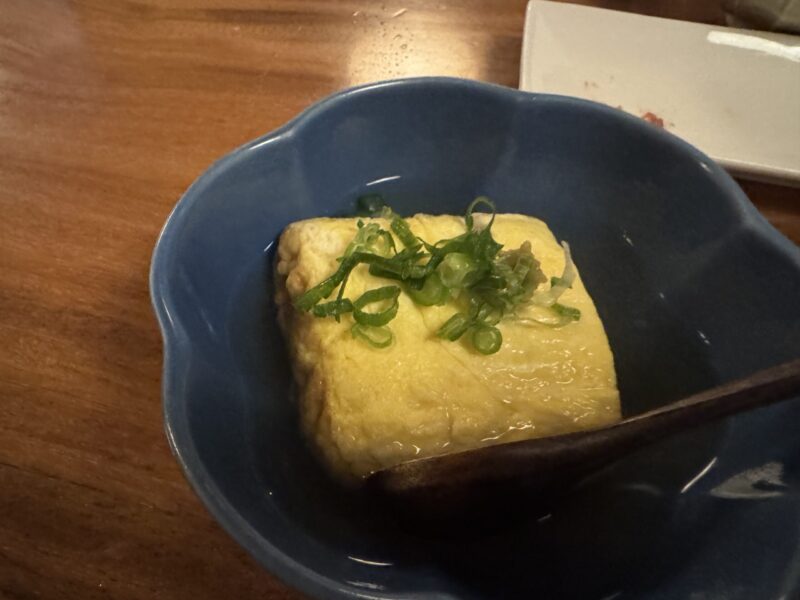
Tachinomi Mutsuki: Sujidote-ni (slow-stewed beef tendon, ¥350), salmon namero (chopped salmon tartare, ¥400), dashimaki tamago (rolled omelet, ¥300), and two highballs. A cozy U-shaped counter standing-bar packed with locals — always a good sign. The dashi (Japanese broth) was outstanding, which means the oden here must be amazing too (next visit’s homework). Solid Japanese sake list. Smoking allowed; PayPay accepted.
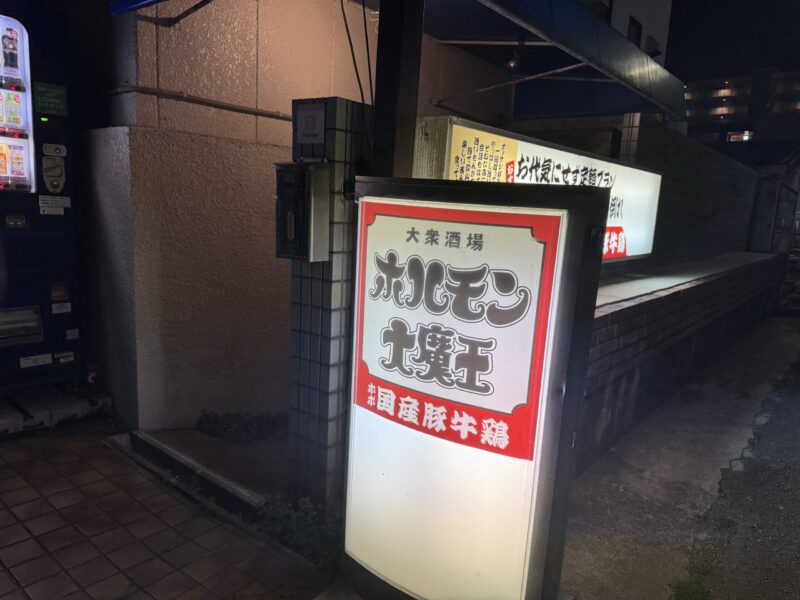
Horumon Daimaou: All-you-can-eat horumon (offal) for ¥2,500 + all-you-can-drink for ¥1,500 = the ¥4,000 “Paradise Course.”An old-guy paradise, fully descended. Casual chat with the friendly master, the regular sitting next to me, and a group of salaryman regulars all doing their own thing — an outrageously comfortable old-school izakaya. Horumon comes mixed and piled high in a small bowl; refills are unlimited. Drinks are self-serve: draft beer, bottled beer, highball, lemon sour — anything goes. Kimchi too, all you want. Officially there’s a 100-minute time limit, but no one seemed to be tracking it.
Total for both: ¥5,630. The Paradise Course value is so absurd that the unit cost ended up cheaper than my 4-stop bar crawl in Namba (¥7,515). Despite the refined ancient-capital image, Nara has a surprisingly deep drinking culture.
Overall Review
Category
Nara
Namba (ref.)
Toyama (ref.)
Sakaiminato (ref.)
Sauna temp
91°C
94°C
98°C
94°C
Cold plunge
17°C (overflow)
13°C
14°C
16°C
Outdoor cool-down
Yes (3 chairs)
None
Semi-outdoor
Yes (3 chairs)
Local signature
Kakinoha-zushi / Cha-gayu / Miwa somen
Kushikatsu
Firefly-squid seafood bowl
Custom seafood bowl
Rate (approx.)
¥10,350
¥22,500
¥14,000
¥16,000*
*Sakaiminato’s rate includes the dinner buffet plan, not a room-only rate — keep that in mind when comparing value.
The one-line summary for Onyado Nono Nara: An ancient-capital Onyado Nono with an unbeatable station-front location and series-best value — equally strong as a sightseeing base or a sauna base. The raw sauna specs are on the milder side of the series, but the silky overflow cold plunge is genuinely one-of-a-kind. Three outdoor chairs are reliably available, and there’s none of the closed-in feeling Namba can have. Most of all, at ¥10,350 a night, the value here is in a different league from any other Onyado Nono. Securing this rate even on the first day of Golden Week is, frankly, an event. The breakfast leans firmly into local Nara cuisine. If you’re after seafood-heavy or visually flashy buffets, this might feel a touch quiet — but if you’re up for a refined, ancient-capital style breakfast experience, it absolutely delivers. The Miwa somen alone is worth showing up for. On the location side: as a sightseeing base for Nara, this hotel is unbeatable for JR-line travelers, and a slight detour for Kintetsu travelers. My personal pick: “sightsee from Kintetsu, sleep at JR-front” — the most efficient combo. And finally, two consecutive nights of missing yonaki soba have left a deep scar on my Dorminist soul. The next stop, Asakusa, is where I break this curse — count on it.
I highly recommend booking in advance. Check the latest prices and availability for Onyado Nono Nara on Hotels.com below!
コメント