[Onyado Nono Kyoto Shichijo] One of Japan’s largest! A two-story bath house and a yuba breakfast buffet — full review
京都府-Kyoto
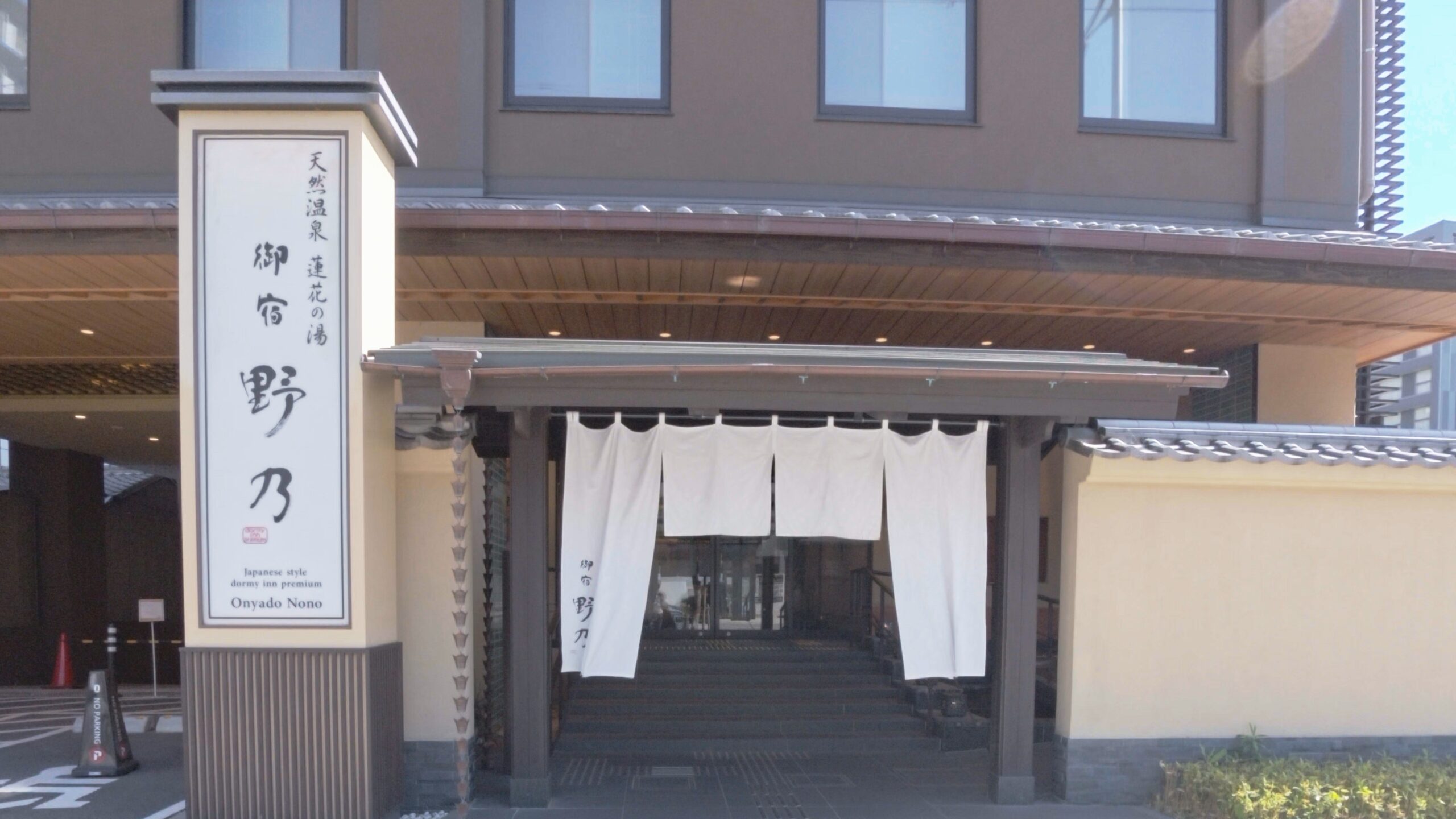
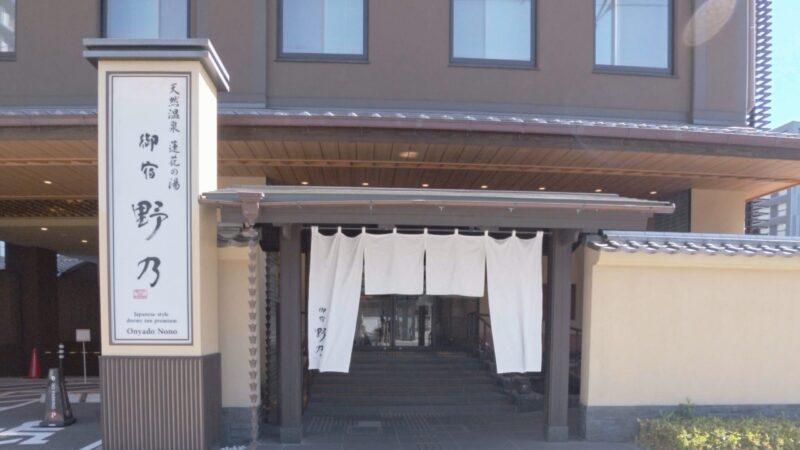
Hi everyone, Greippi here. This is the 6th installment in my mission to conquer every “Onyado Nono” — the Japanese-style premium brand from Dormy Inn. Today’s destination: “Natural Hot Spring Renka-no-yu Onyado Nono Kyoto Shichijo,” right by the gateway to the ancient capital, Kyoto Station. After Sakaiminato, Toyama, Namba, Nara, and Asakusa, this makes six. With 15 Onyado Nono properties nationwide, I’m not even at the halfway point yet — but I’m steadily working through them. Having finally broken the “two-night yonaki soba curse” in Asakusa last time, I headed to Kyoto in high spirits. I visited the ancient capital in Nara too, but this time the stage is right in front of Kyoto Station. And this Kyoto Shichijo property is reportedly one of the largest Onyado Nono locations in Japan. Let’s see how it holds up. I stayed there — here’s the honest report.
Property: Natural Hot Spring Renka-no-yu Onyado Nono Kyoto Shichijo
Stay date: May 10–11, 2026
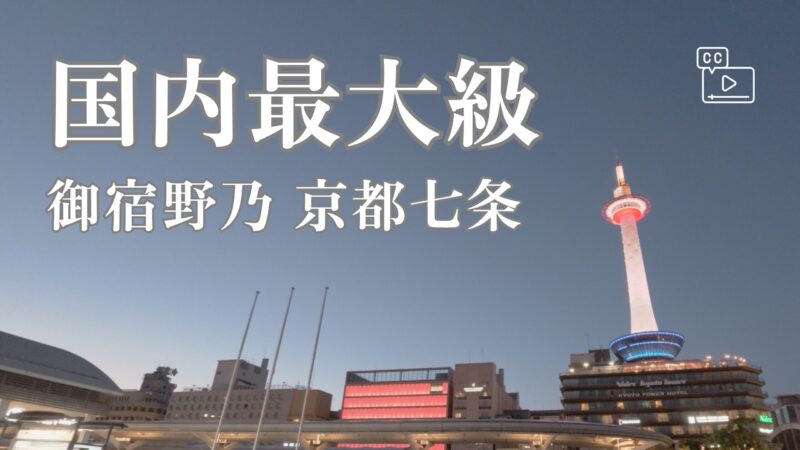
Access: 7-minute walk from Kyoto Station.
Rate: ¥17,280 (single occupancy / 1 night)
Surroundings: Plenty of restaurants. Convenience store 2 minutes away. Supermarket… unconfirmed.
Access is a 7-minute walk from Kyoto Station. Closer than Asakusa (12 min), if not quite the doorstep convenience of Nara or Namba — but for a major terminal like Kyoto Station, this distance makes it an excellent sightseeing base. Shinkansen access is superb. The rate is about ¥17,280. On the higher side for the series, second only to Namba (¥22,500), but reasonable given the prime location in front of Kyoto Station and the sheer scale of the facility (more on that below).
Check out my YouTube video here!
Room & Japanese-Style Experience
The full-tatami signature of the Onyado Nono series is here too. But this time, the word that defines everything is “huge.”
Tatami first impression: Quite yellow. Some wear and tear.
Room type: Double room. Moderate size.
Bed comfort: Spacious and comfortable — the luxury of a double.
Samue (traditional Japanese-style loungewear):A front-opening samue style, not the usual pullover. Pockets on the trousers only. A series first.
Welcome service: Moist banana cake. Same as Asakusa.
The first thing that strikes you is the scale. Billed as one of Japan’s largest, it’s simply huge — and notably long and narrow. The corridor to the room goes on forever; that’s the defining first impression of Kyoto Shichijo. The double room offers decent space, though the view is the parking lot. The tatami wear is again noticeable, and the poor pairing of tatami and rolling suitcases is a recurring concern. These are perhaps the inevitable trade-offs of a large, high-occupancy property. The samue being a front-opening style rather than a pullover was a series-first discovery. Spotting these little spec differences between locations is one of the small joys of the Onyado Nono pilgrimage.
Bath & Sauna (Renka-no-yu Natural Hot Spring)
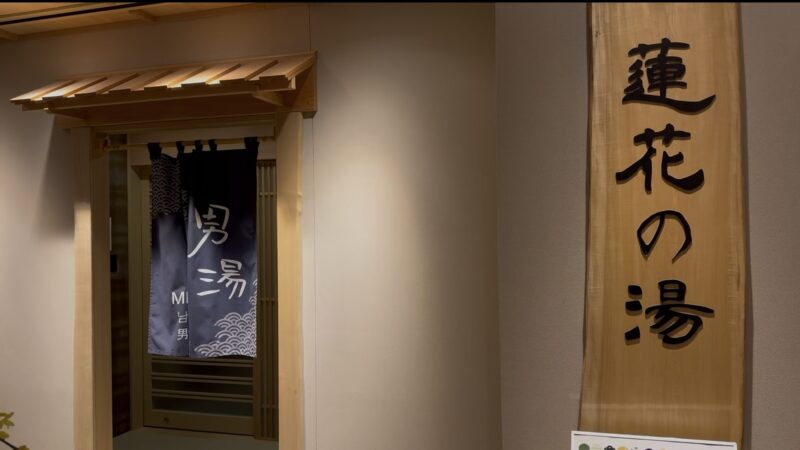
The bath this time is also the largest in the series. In fact — it’s two stories.
Bath name: Renka-no-yu Natural Hot Spring
Water:Silky, slightly viscous water. An overwhelming variety: hinoki (cypress) bath, tsubo-yu (jar bath), silky bath, uchitase-yu (waterfall bath), and more. There’s a rock bath that looks like an open-air bath, but it’s fully indoors.
2nd floor — Meiso-no-yu (Meditation Bath): The upstairs “Meditation Bath” has a quintessentially Kyoto atmosphere. Ancient-capital elegance at its finest.
Sauna temp: 100°C (212°F). The hottest in the series. Classic high-heat, low-humidity. Aroma: “Herbal Clear,” a first for me — mellower than the signature Energy Bouquet.
Cold bath: 19°C (66°F). Mild setting. But the circulation isn’t strong, so the water felt a touch stagnant.
Rest space: 4 indoor chairs. Open-air-style, but not a true outdoor-air bath.
BGM: The reliable Tokusashi-san.
TV: TBS network at night, NHK in the morning.
Tattoo policy: Generally not allowed.
The bath is, hands down, the largest in the series. Hinoki bath, jar bath, silky bath, waterfall bath — as a hot-spring facility, it’s the most comprehensive of the bunch. The silky, viscous water quality is high-grade, and the 2nd-floor “Meditation Bath” is pure Kyoto refinement. If your priority is the bath, satisfaction here is sky-high. That said, the sauna itself is about the same size as the other Nono properties — 11 people at a push. Surprisingly standard given the building’s enormity. There weren’t that many users, though, so I could relax — arguably a plus. The 100°C sauna is the series record, with the usual high-heat, low-humidity feel. The discovery this time was the “Herbal Clear” aroma, new to me — mellower than the standard Energy Bouquet, with a refined, Kyoto-like fragrance. On the other hand, the 19°C cold bath is the mildest in the series. The weak circulation and slightly stagnant water were a minor letdown. Curiously, many international guests lingered in the cold bath, so turnover was slow. And this bath was sheer chaos with inbound tourists. Especially Western visitors — many seemingly experiencing a “Japanese ONSEN” for the first time, which made for quite a scene. I did consider gently reminding the person bathing in a swimsuit of the rules… but couldn’t be bothered (lol). The inevitable side effect of a location right in front of Kyoto Station.
Free Services (Omotenashi)
The Dormy Inn group’s signature free-service report.
Post-bath ice cream (evening): The usual 4 varieties. Reliable lineup.
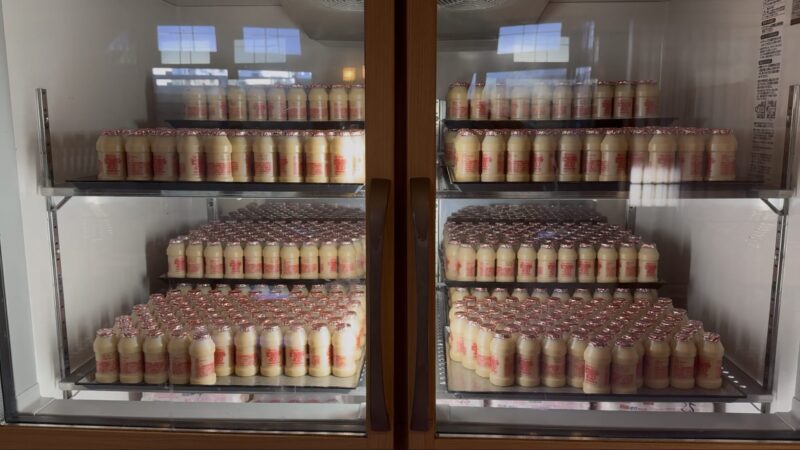
Post-bath probiotic drink (morning): Pilkul. Continuing the original brand from Asakusa.
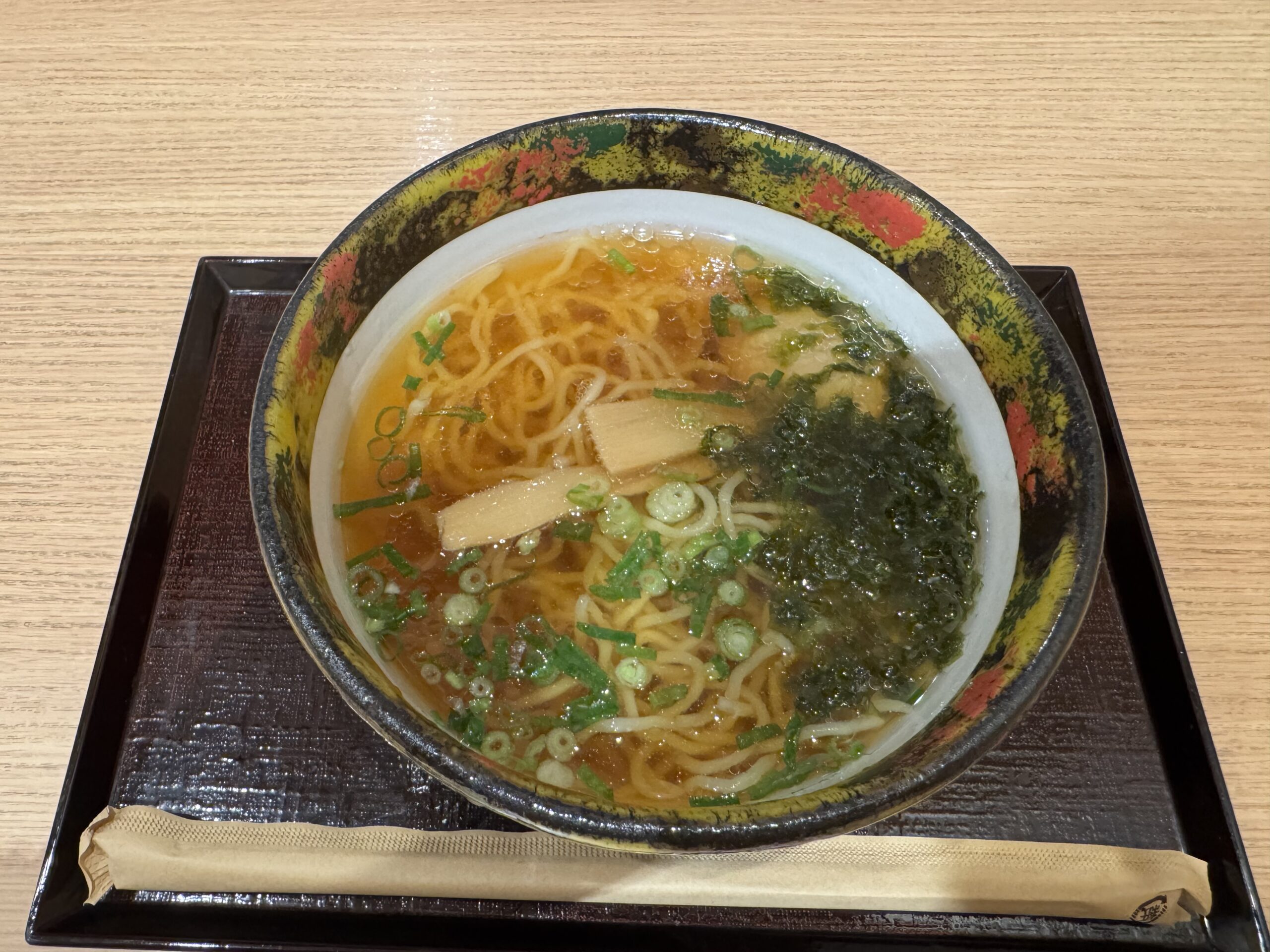
Yonaki soba (free late-night ramen, a Dormy Inn signature): Eaten around 21:00. Not too crowded. The bowl was plastic, though — a small sign of the operational streamlining that comes with a mega-sized property.
Riding the momentum of breaking the curse in Asakusa, I made sure to eat the yonaki soba this time too. The relatively early 21:00 slot meant little crowding and smooth service. One difference: while previous locations used ceramic bowls, Kyoto Shichijo serves it in a plastic bowl — presumably a rationalization for handling huge guest volumes at one of Japan’s largest properties. The taste was as good as ever, so no complaints — but noticing these little differences is the essence of the pilgrimage.
The Epic Breakfast Buffet
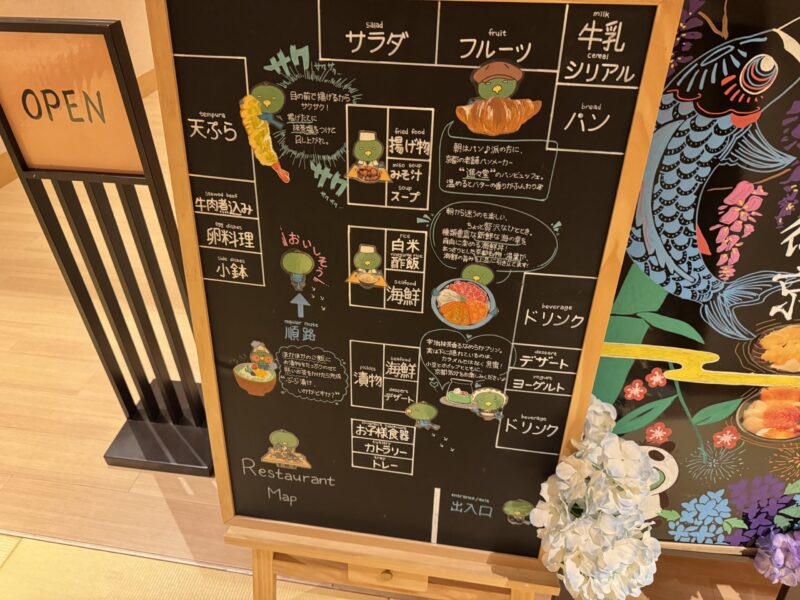
The breakfast venue at Kyoto Shichijo had a long line right from opening. With one of Japan’s largest guest capacities, the morning lounge is naturally packed.
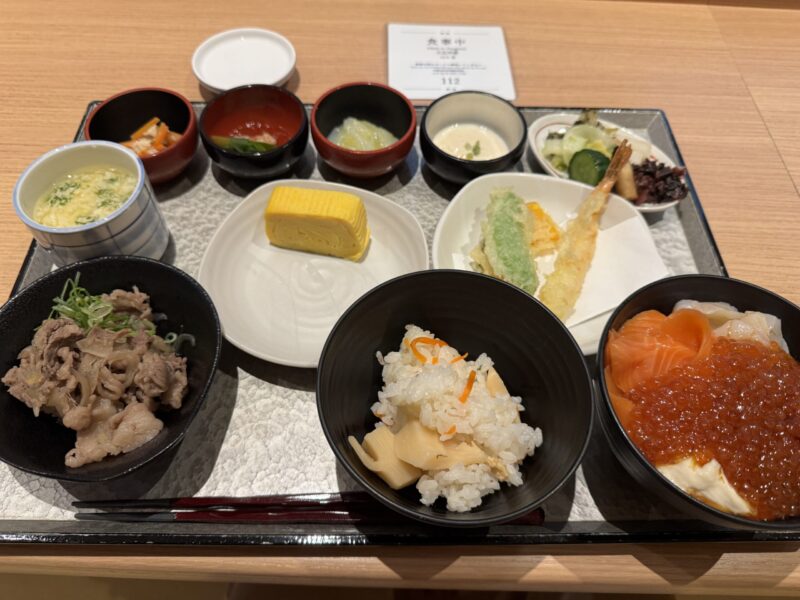
Local “signature dish”: “Yuba seafood bowl” (yuba kaisen-don).
Local side dishes: Yuba with wasabi, golden squid, tempura.
Desserts & misc: Plenty, including warabi-mochi (bracken-starch jelly).
Multilingual support: English, Korean, Chinese.
The local signature is the “yuba seafood bowl.” With a generous variety of Kyoto’s famous yuba (tofu skin) and Kyoto-style pickles, the ancient-capital character is well represented. The scallop in the seafood bowl is something rarely seen earlier in the series. That said, the yuba itself was… honestly not that delicious, to be frank. The standout was the tempura — crispy and freshly fried, genuinely good. Bread and Western options also seemed plentiful, but with so many people I couldn’t browse leisurely — a classic mega-property problem. The small side dishes were largely the same lineup as before. Overall, while the variety is solid, the sheer crowds make it hard to settle in at the Kyoto Shichijo breakfast. The capacity is large, so it’s not physically cramped, but it’s far from a “quiet, leisurely” atmosphere. With people even walking across the tatami in their shoes, the staff seemed to have their hands full.
[Bonus] Kyoto Shichijo Izakaya-Hopping Report
The area around Kyoto Station is rich with eateries. This time, to savor Kansai’s standing-bar (tachinomi) culture, I hopped through three spots.
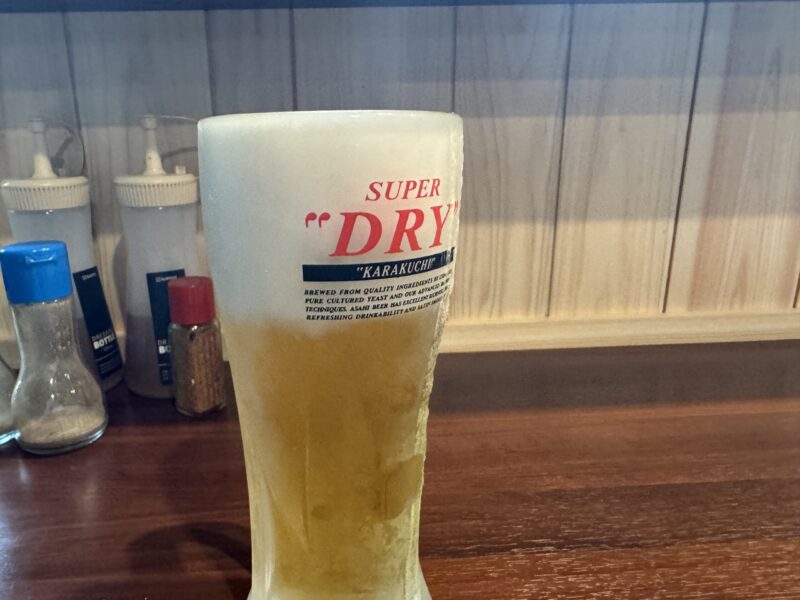
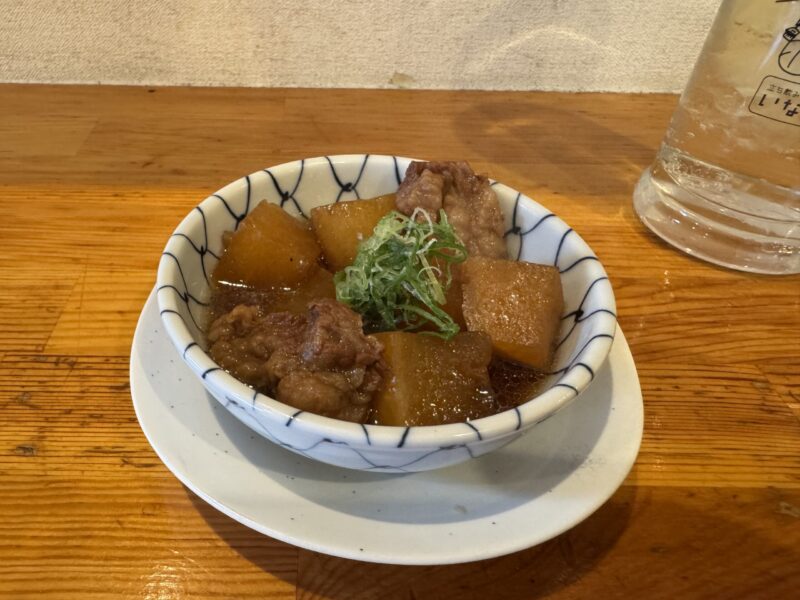
Inaseya: A casual standing bar familiar across the Kansai region, where tasty small plates and drinks come cheap. Beef tendon & daikon (¥480), aji namero (minced horse mackerel, ¥520), Jim Beam highball (¥300×2) for ¥1,600 total. Energetic staff, lively room. The ideal first stop — a quick drink, then on to the next.
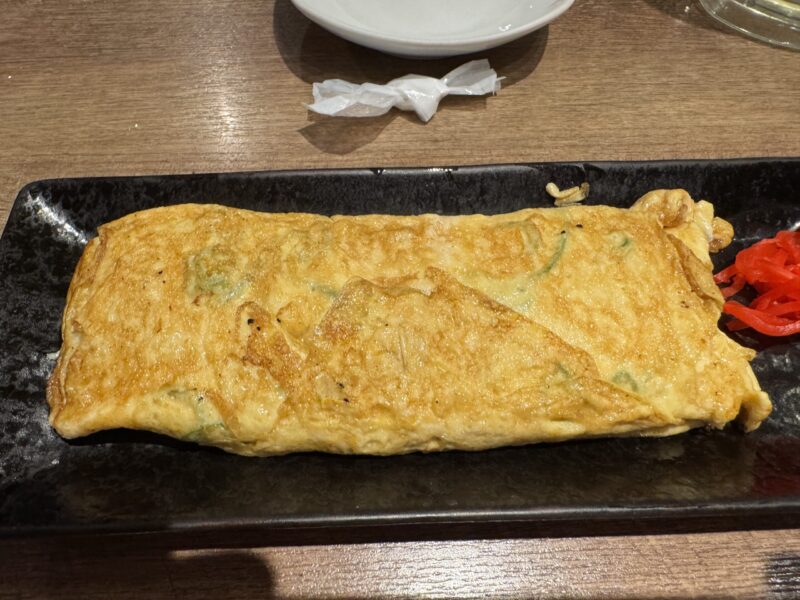
Tachinomi Sakaba Cha-Cha Stand: A standing bar with a big teppan (iron griddle) right in front of you — a somewhat unusual style. Teppan-grilled dishes are the recommendation. Potato salad (¥439), gizzard skewer (¥186), crispy-skin chicken skewer (¥164), Kujo-negi (Kyoto green onion) teppan dashimaki omelet (¥659), mega highball (¥549×2) for ¥2,435 total. Teppan gyoza and okonomiyaki are popular too. The 2nd floor has seating. Kujo-negi — a Kyoto vegetable — in the dashimaki is peak Kyoto.
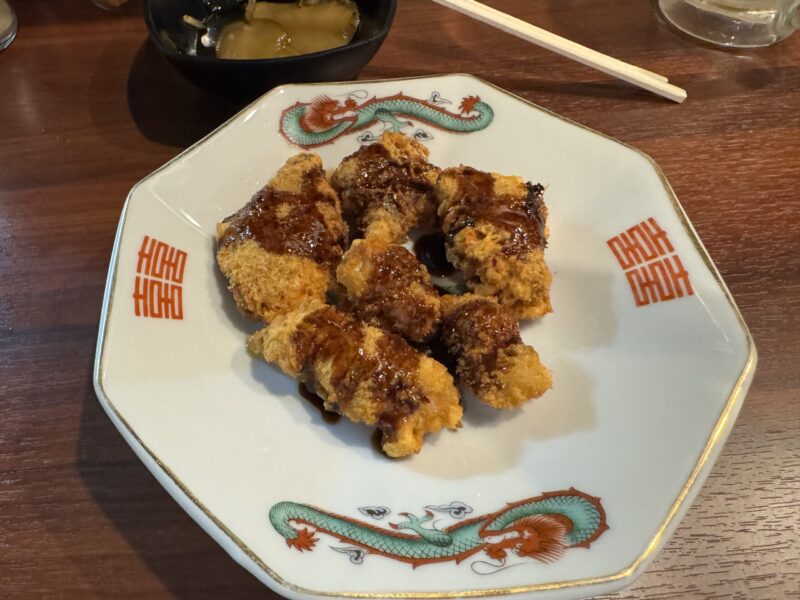
Kyoto Chinese Restaurant Seikaen: A spot where rugby fans gather, famous for its “kettle beer.” Reba-mino (¥1,100 = mixed fried liver and tripe; choose spicy or sweet sauce), pork kimchi (¥1,000), zha cai (¥400), draft beer (¥600×2) for ¥3,700 total. Portions are modest, but just right for a third stop. Run by what looked like a family, with a warm vibe clearly loved by locals.
Three-bar total: ~¥7,735. Kyoto’s standing-bar culture really does run deep. Casually catching Kyoto vegetables and specialties like Kujo-negi and yuba even at the bar is a uniquely ancient-capital way to enjoy the night.
Overall Review
Item
Kyoto Shichijo
Asakusa (ref)
Nara (ref)
Namba (ref)
Toyama (ref)
Sakaiminato (ref)
Sauna temp
100°C / 212°F
98°C / 208°F
91°C / 196°F
94°C / 201°F
98°C / 208°F
94°C / 201°F
Cold bath
19°C (mild)
16°C (jar)
17°C
13°C
14°C
16°C
Outdoor rest
Open-air-style (indoor, 4 chairs)
Quasi-outdoor
Yes (3 chairs)
No
Semi-outdoor
Yes (3 chairs)
Bath feature
Two-story, huge variety
Kuroyu (black)
Clear
Artificial onsen
Clear
Clear
Local signature
Yuba seafood bowl, Kyoto pickles
Seafood bowl, gyu-nabe
Kakinoha-zushi, chagayu, Miwa somen
Kushikatsu
White shrimp / firefly squid bowl
Seafood bowl
Rate (approx.)
~¥17,280
~¥15,750
¥10,350
¥22,500
¥14,000
¥16,000*
*Sakaiminato’s rate includes the dinner buffet plan, not a room-only rate — keep that in mind when comparing value. “Onyado Nono Kyoto Shichijo” in one line: a bath-focused, ancient-capital Nono boasting one of Japan’s largest scales and a two-story bath house. The biggest draw is the spectacular bath. Hinoki bath, jar bath, silky bath, waterfall bath, and the 2nd-floor Meditation Bath — as a hot-spring facility, it’s the most complete in the series. With its silky, viscous water and the first-ever “Herbal Clear” aroma, it’s a dream for bath lovers. The 100°C sauna is the series’ hottest. On the flip side, the “crowds” and “lack of calm” are the trade-off for the scale. The mild, slightly stagnant 19°C cold bath, the inbound chaos in the bath, the long breakfast lines — for those wanting a quiet, leisurely stay, it may be a bit too lively. The tatami wear and suitcase compatibility also call for some acceptance as the fate of a mega-property. As a Kyoto sightseeing base, the 7-minute walk from Kyoto Station is excellent. With superb Shinkansen access, it’s an ideal hub for Kansai and Kyoto sightseeing. Especially recommended for those who want to fully enjoy the bath, or who want to move around with Kyoto Station as their base. The local breakfast leans on yuba and Kyoto pickles for ancient-capital flair. The yuba itself was only so-so, but the crispy tempura was a winner.
I highly recommend booking in advance. Check the latest prices and availability for Onyado Nono Kyoto Shichijyo on Hotels.com below!
That’s six properties down. Of the 15 Onyado Nono nationwide, I’m not even at the turn yet — with 9 to go, the journey continues. Stay tuned for the next report! See you next time.
コメント