[Onyado Nono Asakusa Bettei] Series-first “totonoi-booster lever” × kuroyu (black spring) × Five-Storied Pagoda view! Full review of Ryoten-no-Yu — the sister property with the opposite sauna style
Multilingual
Hi everyone, Greippi here. This is the 13th installment in my mission to conquer every “Onyado Nono” — the Japanese-style premium brand from Dormy Inn. Today’s destination: “Natural Hot Spring Ryoten-no-Yu Onyado Nono Asakusa Bettei,” standing in the heart of Tokyo’s downtown Asakusa district. After Sakaiminato, Toyama, Namba, Nara, Asakusa (main), Kyoto Shichijo, Kanazawa, Osaka Yodoyabashi, Sendai, Matsue, Matsumoto, and Beppu, this makes 13. Asakusa becomes the first area in this series to be revisited — a rare “same area, second property” situation. Only 2 of the 15 nationwide Onyado Nono properties remain — the finish line is now firmly in sight. Since I already stayed at the main branch back on stay #5, this round became a “spot the differences with the main branch” journey. To cut to the chase: the sauna setting is essentially the polar opposite of the main branch, and the series-first “totonoi-booster lever” makes its debut — a property packed with comparison-fun. I stayed there — here’s the honest report.
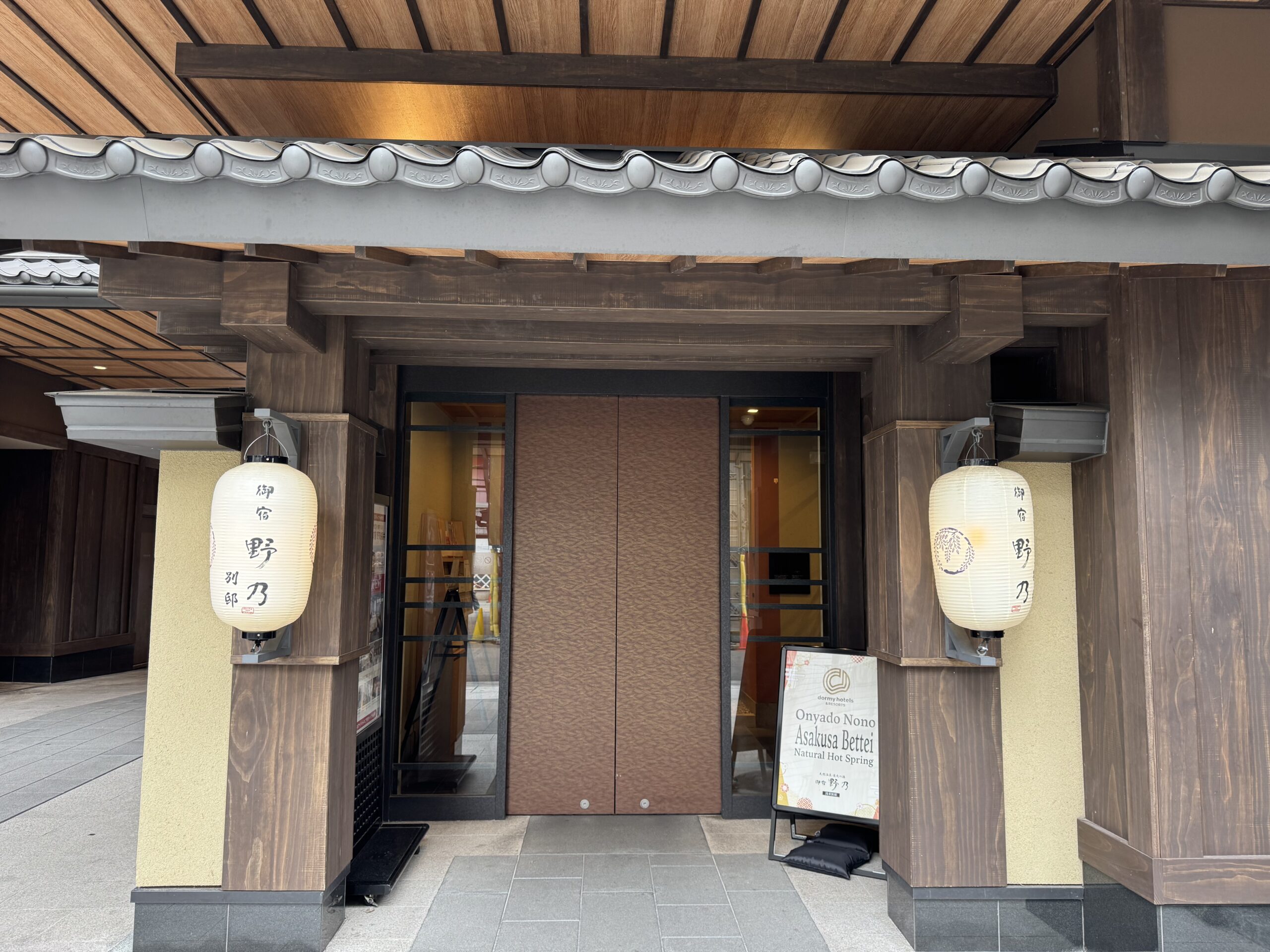
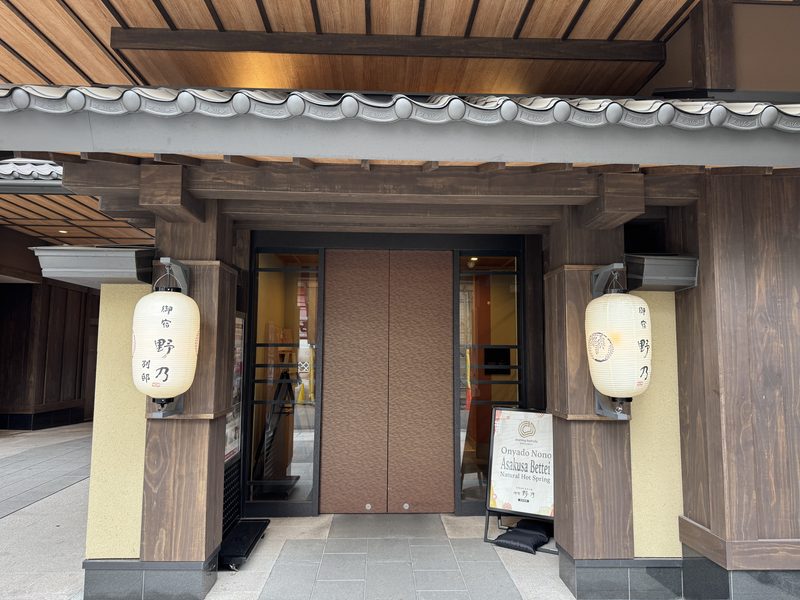
Property: Natural Hot Spring Ryoten-no-Yu Onyado Nono Asakusa Bettei
Stay date: August 17–18, 2026
Access: 4-min walk from Tsukuba Express “Asakusa” Station.
Rate: ~¥19,030 (single occupancy / 1 night). After a ¥500 discount coupon.
Surroundings:Plenty of restaurants and convenience stores. Fully embedded in the downtown Asakusa neighborhood.
Location is 4 minutes on foot from Tsukuba Express Asakusa Station, close to but slightly different from the main branch (which is near Asakusa Station / Sensoji temple). They’re basically neighbors, giving the area a fresh Nono option for exploring Asakusa. Rate came in at ¥19,030 (after a ¥500-off coupon) — on the pricier end of the series (2nd only to Namba’s ¥22,500), but reasonable given the prime downtown Tokyo tourism location. Restaurants and convenience stores are both abundant — the street-exploration options are effectively infinite.
Check out my YouTube video here!
Room & Japanese-Style Experience
The building is only about 2.5 years old, and feels notably open and modern. Interestingly, it turns out the main branch actually has more rooms — the “bettei” (annex) here is smaller than I’d assumed.
Tatami first impression: Green-toned. Some usage marks as befits a popular property, but the overall cleanliness holds up well.
Room type: Double room. The room itself is standard-Nono size, but the corridor feels wider, adding to the sense of openness.
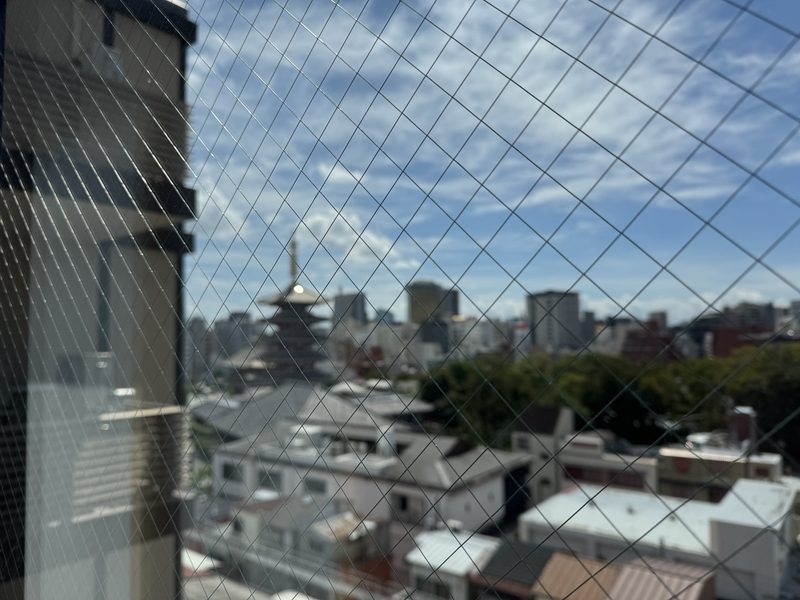
View:The window frames Sensoji’s Five-Storied Pagoda, and if you angle right, you can even catch Tokyo Skytree. This view alone makes the Asakusa Bettei location worth it.
Bed comfort: Reliable Serta quality as always.
Samue (traditional Japanese-style loungewear): The familiar half-yukata style. Unchanged.
Welcome service:Smooth mango pudding. Second appearance after Beppu — the tropical direction is now established.
The view from the window is the standout: Sensoji’s Five-Storied Pagoda right there in your frame, and Tokyo Skytree visible with a slight angle change. Waking up to the “yes, I’m in Asakusa” scenery from your bed is a genuine privilege of this location. The wider corridor also adds a subtle downtown calm.
Bath & Sauna (Natural Hot Spring Ryoten-no-Yu)
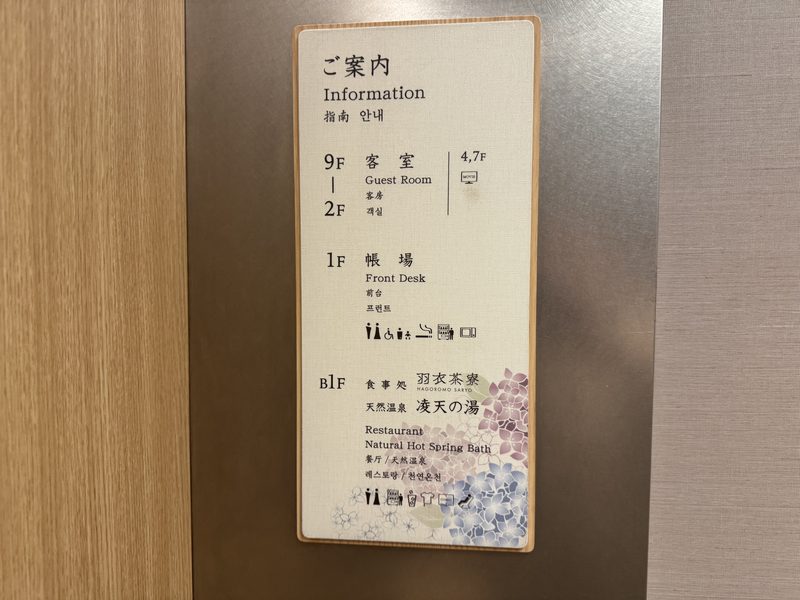
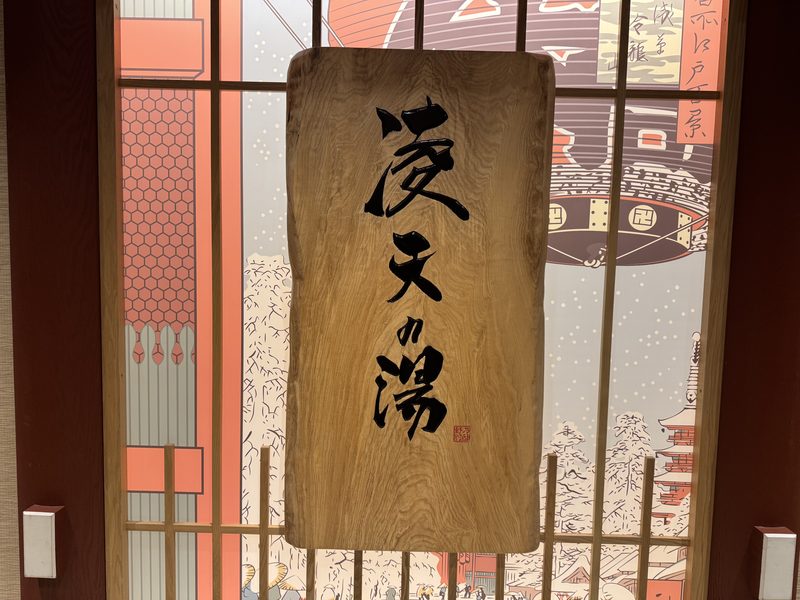
Asakusa Bettei’s bath house is Natural Hot Spring Ryoten-no-Yu, on B1 (basement). Like the main branch, it features Asakusa’s signature “kuroyu” (black hot spring).
Bath name: Natural Hot Spring Ryoten-no-Yu
Water:Kuroyu (black hot spring). The famed dark-brown mineral spring of the Asakusa area, shared with the main branch.
Towels: Provided towels are brown instead of the usual white — likely a kuroyu countermeasure. The main branch was similar. A quiet, practical touch.
BGM: The immovable Tokusashi Kengo music.
TV: Available.
Tattoo policy: Generally not allowed.
Self-löyly for 4 properties running — early-morning is dry, so löyly generously
The sauna hits 91°C / 196°F, marking four self-löyly-capable properties in a row since Matsue. Aroma is Clean Sky, continuing — that fresh, clean scent pairs beautifully with the kuroyu contrast. Whereas the main branch runs 98°C dry-oven style, the Bettei is 91°C with humidity — essentially the opposite setting, so the two properties in the same area offer completely different sauna experiences. The early-morning session was on the dry side, so I recommend giving it a generous self-löyly right away.
Series-first: “Totonoi-Booster Lever”
And the big discovery this round: the series-first “totonoi-booster lever” installed in the outdoor rest space. Twist it, and a fine mist descends overhead. Given the basement location makes “real outdoor air” nearly impossible, this represents a heroic effort to work around the constraint — the Kyoritsu Maintenance ingenuity strikes again. Following Matsue’s “waterfall & rain shower” cold-bath gimmick, this is the Kyoritsu lineage of “expanding what the cold-bath/rest space can be.” A design-evolution thread worth tracking across the series.
Brown towels: a quiet kuroyu countermeasure
One small design touch worth admiring: the provided towels are brown, not white. Almost certainly a kuroyu countermeasure — the main branch also uses this. Stains don’t show, and it’s a subtle piece of “invisible hospitality” that speaks to Dormy’s attention to detail.
Bonus: request access to nearby Dormy sister properties
Also: the front desk can arrange access to nearby Dormy-affiliated bathhouses on request. The Asakusa area is Dormy’s home turf, so comparing multiple baths is a fun option. Definitely worth trying on a return visit — an unlisted bonus command.
Free Services (Omotenashi)
The Dormy Inn group’s signature free-service report.
Post-bath ice cream (evening):“Otona no Gari-Gari-kun (Adult version)” in fresh-picked grape flavor — New! The classic 4-variety slot welcomes a new adult-oriented Gari-Gari-kun. The fresh grape aroma is perfect for summer.
Post-bath probiotic drink (morning):The royal-road Pilkul. After Beppu’s Kumamon-mystery, a return to the classic.
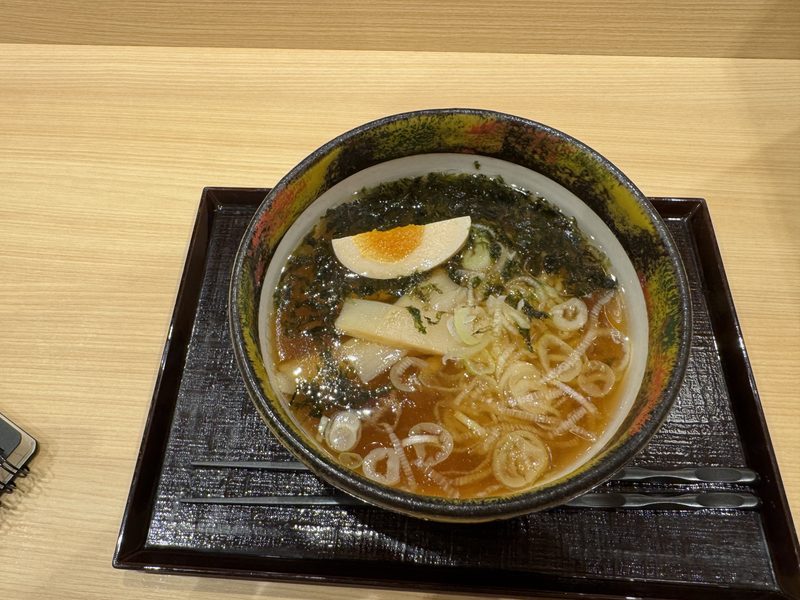
Yonaki soba (free late-night ramen, a Dormy Inn signature): Eaten around 22:00, uncrowded and smooth. Served in a ceramic bowl — nice. A welcome step back up from Beppu’s plastic vessel.
The small delight this round: the debut of Otona no Gari-Gari-kun fresh-picked grape as a post-bath ice option. And the return to ceramic yonaki soba is a big plus.
The Epic Breakfast Buffet
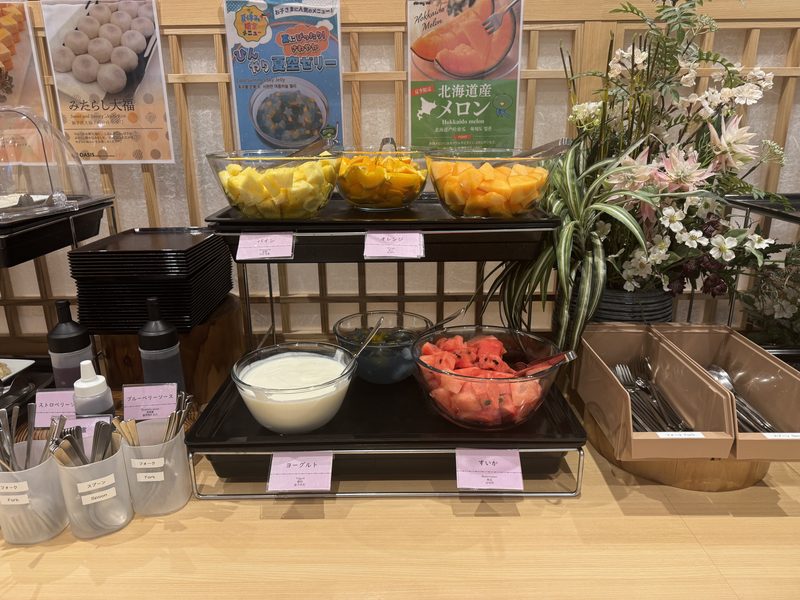
The breakfast venue is a series-first basement-floor setup — a long, narrow layout. The item count is modest — roughly on par with the Asakusa main branch.
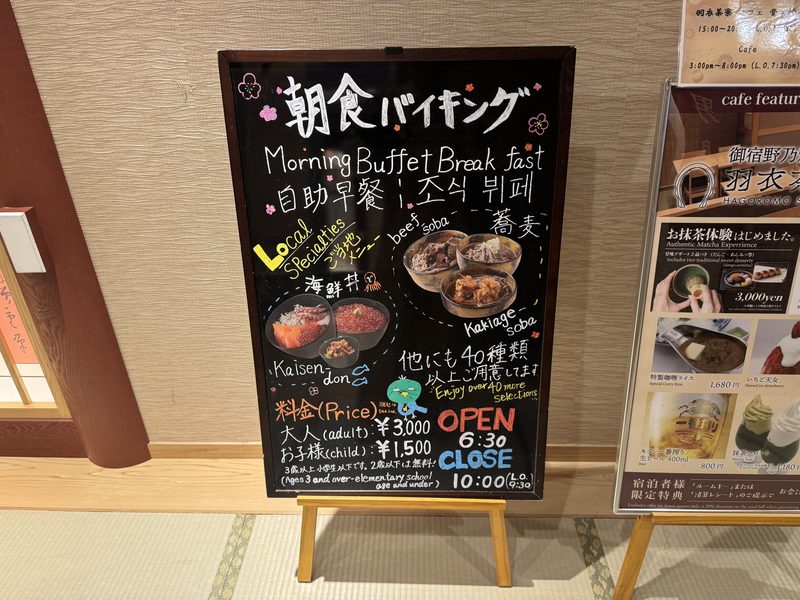
Local “signature dishes”:Seasonal kakiage soba — this stay’s kakiage was “aosa (green laver) and asari (short-necked clams)”. Soba is available in hot or cold versions.
Local side dishes: Regional-flavor items are modest — very much a city-Nono standard composition.
Desserts & misc:Mango cake, warabi-mochi, and more. The mango theme carries through from welcome service to dessert — a subtle thematic cohesion.
Multilingual support: The usual three-language menu.
This round’s signature was seasonal kakiage soba, with summer-appropriate “aosa & asari” topping. Personally, the warm beef soba on my second serving was a real hit — that comforting broth in the morning. The mango cake also linked back to the welcome pudding for a satisfying sense of theme continuity.
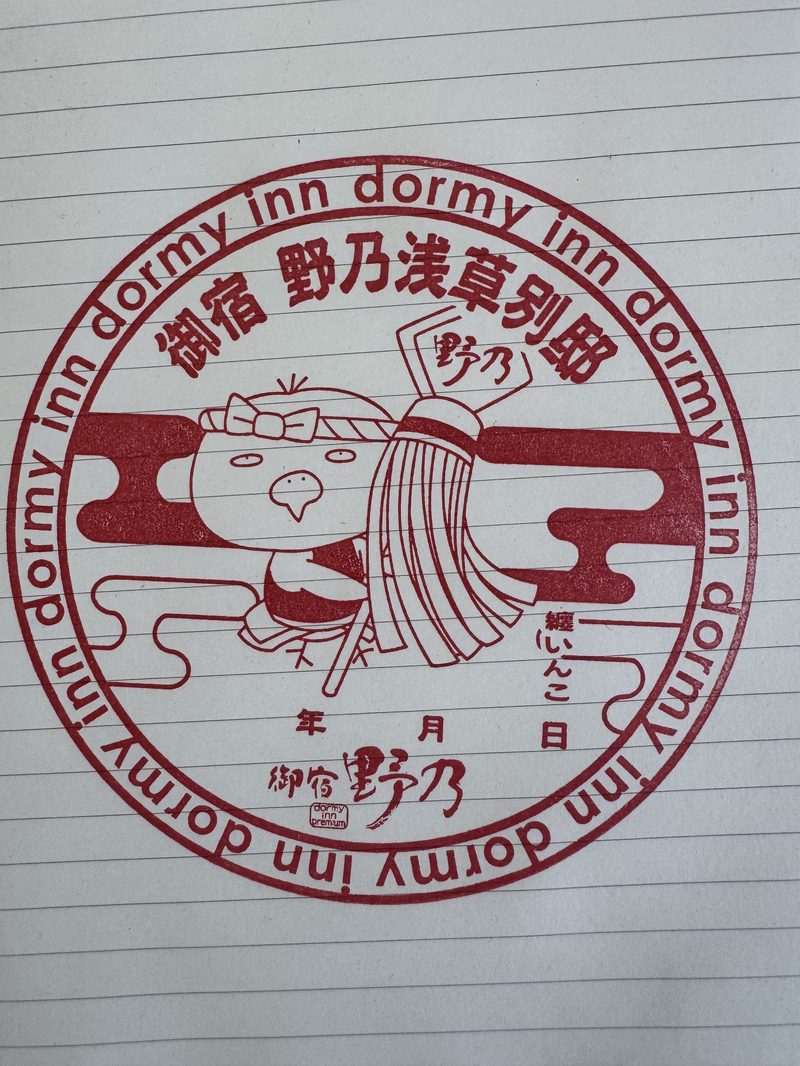
Onyado-in Stamp Collection
[Bonus] Asakusa Izakaya Report
The Asakusa area offers essentially unlimited dining choices. Two spots this round.
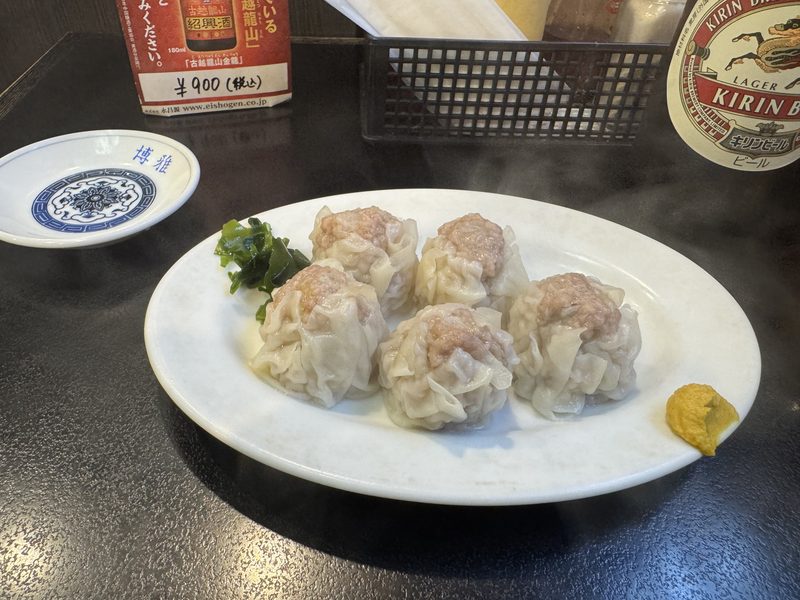
Chinese Restaurant Hakuga: A local-Chinese spot about 5 minutes from the hotel. Their signature shumai (steamed dumplings) and sara-wonton (plate wonton) with a Kirin bottled beer came to exactly ¥2,000. Meaty, satisfying shumai and slippery, silky sara-wonton — both excellent. Other menu items looked tempting too, but I moved on to save room for the next stop. Cash or PayPay only.
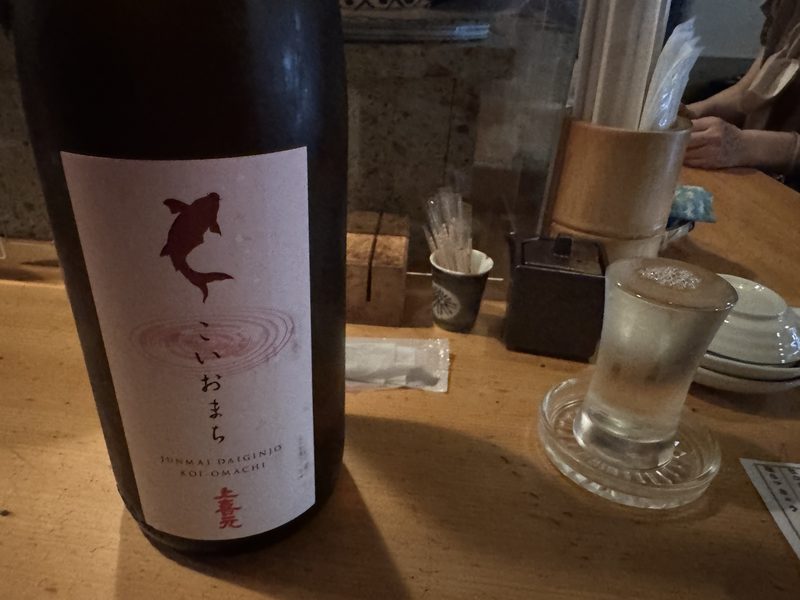
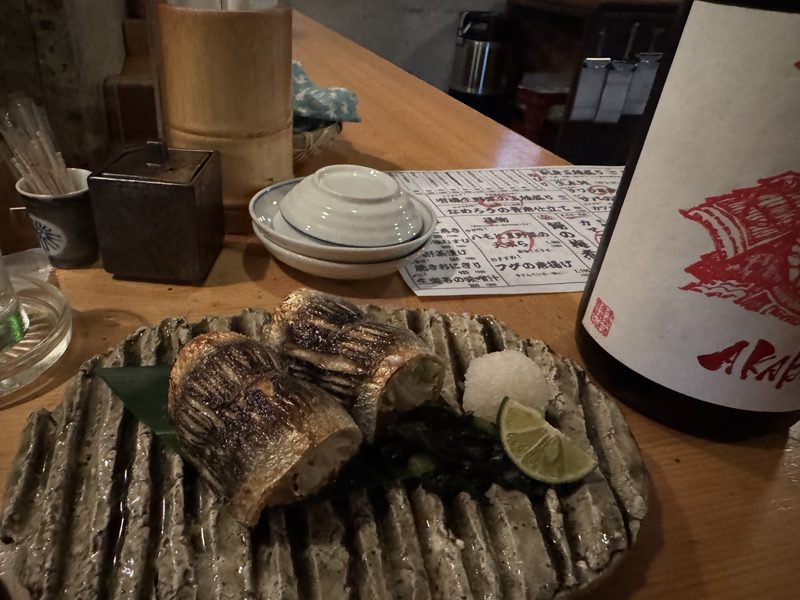
Sakazuki-ya Kazuchi: A spot I’d walked past during my main-branch stay and been curious about ever since. A quiet, old-house-renovation-style izakaya with a generous sake selection. The style is “chibiri” — small, seasonal fish and vegetable dishes. Started with the appetizer (simmered ball-konjac), then “chibiri three-piece sampler” (sea-bream liver, scallop-mantle tsukudani, oyster nanban-zuke), and “iwashi mentai-yaki” — a fatty sardine wrapping mentaiko and green onion, then charcoal-grilled. Sake: “Joukigen” (Yamagata), “Ohroku” (Shimane), “Akabu” (Iwate), each in 90ml glasses for tasting. Bill: ¥6,028, cards accepted. The iwashi was outstanding. Warm atmosphere, kind staff, and reservations recommended — a genuine local favorite. Finally clearing the “unfinished business” from my main-branch visit felt like a real win.
Two spots, ¥8,028 total. Getting to revisit a spot I’d been curious about is one of the unique joys of exploring Asakusa across two Nono visits.
Overall Review
[Asakusa Face-Off] Main Branch vs Bettei — Same Asakusa & kuroyu, Different Experience
Item
Asakusa Bettei (this stay)
Asakusa Main (5th visit)
Hot spring
Kuroyu (black spring)
Kuroyu (black spring) — shared
Bath location
B1 (basement)
Basement
Sauna temp
91°C / 196°F (mild)
98°C / 208°F (high)
Sauna setting
Self-löyly, with humidity
Dry-oven style
Aroma
Clean Sky
Energy Bouquet
Cold bath
17°C / 63°F (slightly deep)
16°C / 61°F (jar type)
Outdoor rest
Semi-outdoor + Totonoi-Booster Lever (series-first!)
Quasi-outdoor
Towels
Brown (kuroyu countermeasure)
Brown (kuroyu countermeasure)
Breakfast signature
Seasonal kakiage soba (aosa & asari)
Make-your-own seafood bowl, gyu-nabe
View
Five-Storied Pagoda & Skytree
Asakusa neighborhood streetscape
Rate (approx.)
¥19,030†
¥15,750
†Asakusa Bettei’s rate is after a ¥500 discount coupon.
Same Asakusa, same kuroyu, same brown towels — yet the sauna setting is the polar opposite. The main branch runs “high-and-dry,” while the Bettei goes “self-löyly with humidity.” A design that makes staying at both properties genuinely worthwhile — the sister-property character split is beautifully executed.
[Series 13-Property Overview] The Nono Pilgrimage So Far
#
Property
Sauna
Cold bath
Outdoor rest
Rate
1
Sakaiminato
94°C
16°C
Yes (3 chairs)
¥16,000*
2
Toyama
98°C
14°C
Semi-outdoor
¥14,000
3
Namba
94°C
13°C
No
¥22,500
4
Nara
91°C
17°C
Yes (3 chairs)
¥10,350
5
Asakusa (Main)
98°C
16°C (jar)
Quasi-outdoor
¥15,750
6
Kyoto Shichijo
100°C (Herbal Clear debut)
19°C
Open-air-style (indoor)
¥17,280
7
Kanazawa
95°C, largest yet (20+)
16°C (spacious)
True / top floor
¥11,700
8
Osaka Yodoyabashi
95°C
14°C (compact)
Quasi-outdoor
¥13,850
9
Sendai
96°C, smallest (6)
15°C (single-person)
Yes (open sky)
¥13,950
10
Matsue
92°C, Self-löyly debut
15–16°C (waterfall & rain)
Matsue Castle view
¥12,600
11
Matsumoto
92°C, self-löyly, wide (14)
17°C (deep)
Azumino mountains
¥13,950
12
Beppu
91°C, L-shaped (20+)
Largest yet (90 cm deep)
Adirondack + wind chimes + Beppu Tower
¥13,950*
13
Asakusa Bettei (this stay)
91°C, self-löyly (4 in a row)
17°C (slightly deep)
Semi-outdoor + Totonoi-Booster Lever (first!)
¥19,030†
*Sakaiminato and Beppu include a dinner plan in the rate. †Asakusa Bettei is after a ¥500 discount coupon. Not a pure room-only comparison — take that into account when evaluating value. “Onyado Nono Asakusa Bettei” in one line: Enjoy the same kuroyu as the main branch, but through the opposite lens: a self-löyly, mild sauna. Add the series-first “totonoi-booster lever” and a Five-Storied Pagoda view for a fresh downtown-Asakusa Nono experience. The biggest draw is the two-crop pleasure of comparison with the main branch. The same Asakusa signature “kuroyu”, served through essentially opposite sauna philosophies — main branch 98°C dry, Bettei 91°C self-löyly with humidity — so the full picture of Asakusa Nono only emerges once you’ve stayed at both. The series-first “totonoi-booster lever” (misting from above) reflects Kyoritsu Maintenance’s pride in overcoming the basement-location handicap through ingenuity — worth experiencing for yourself. The breakfast is a standard city-Nono composition: seasonal kakiage soba, seafood bowl, and mango-themed desserts. Rather than seeking regional distinctness, this reads as an efficient Asakusa-tourism breakfast. Numerous small discoveries this round: the room’s Five-Storied Pagoda & Skytree view, the brown towels (kuroyu countermeasure), the debut of the Otona no Gari-Gari-kun fresh-picked grape, the ceramic-bowl yonaki soba return, and the second appearance of smooth mango pudding. In the bonus round, finally getting to visit Sakazuki-ya Kazuchi — a spot I’d been eyeing since the main-branch stay — was a real highlight.
I highly recommend booking in advance. Check the latest prices and availability for Onyado Nono Asakusa Bettei on Hotels.com below!
That’s 13 down. Just 2 left. With the finish line in sight — and the front desk’s “nearby Dormy bathhouse” access still on the to-try list — stay tuned for the next report. See you next time.

コメント